Rapid Tooling Making
When you need to conduct market tests as soon as possible, rapid tooling is your best choice.
Rapid tooling and the subsequent rapid injection molding complement each other, and it can make parts for you at a race-against-time speed. You will have a comprehensive understanding of the cost, materials, structure, appearance and market response of the product you’ve designed with rapid molds.
An NDA can be signed if needed before the quotation.
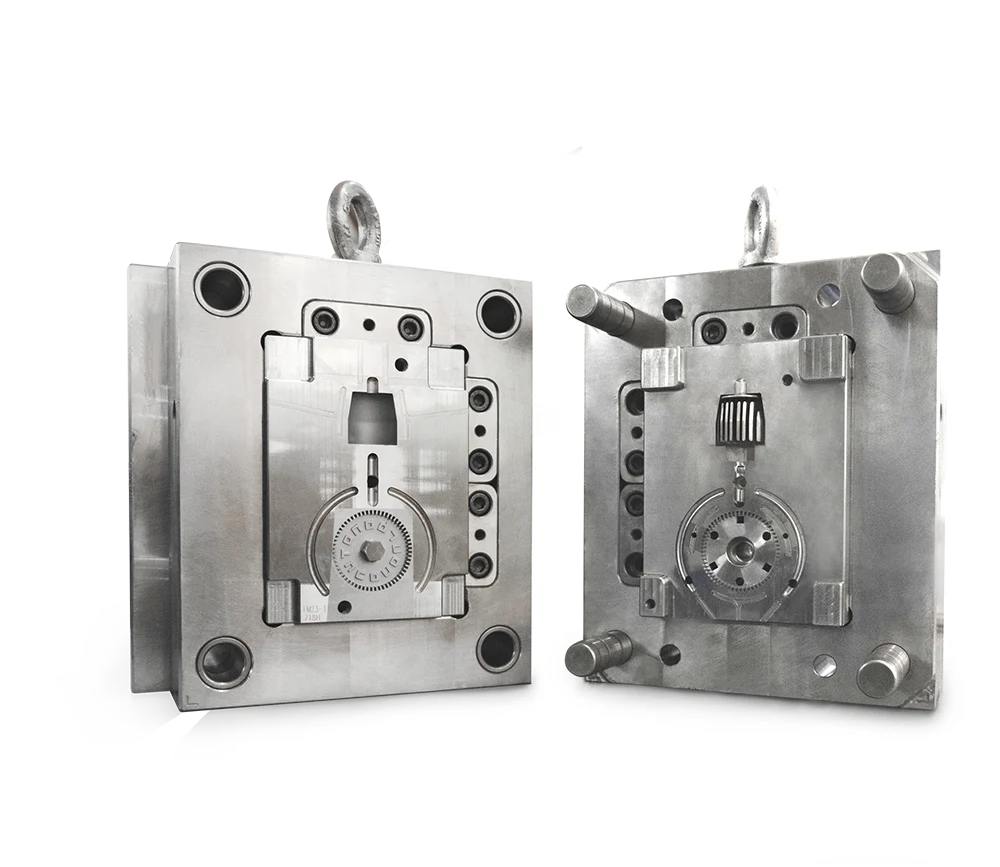
What is a rapid tooling?
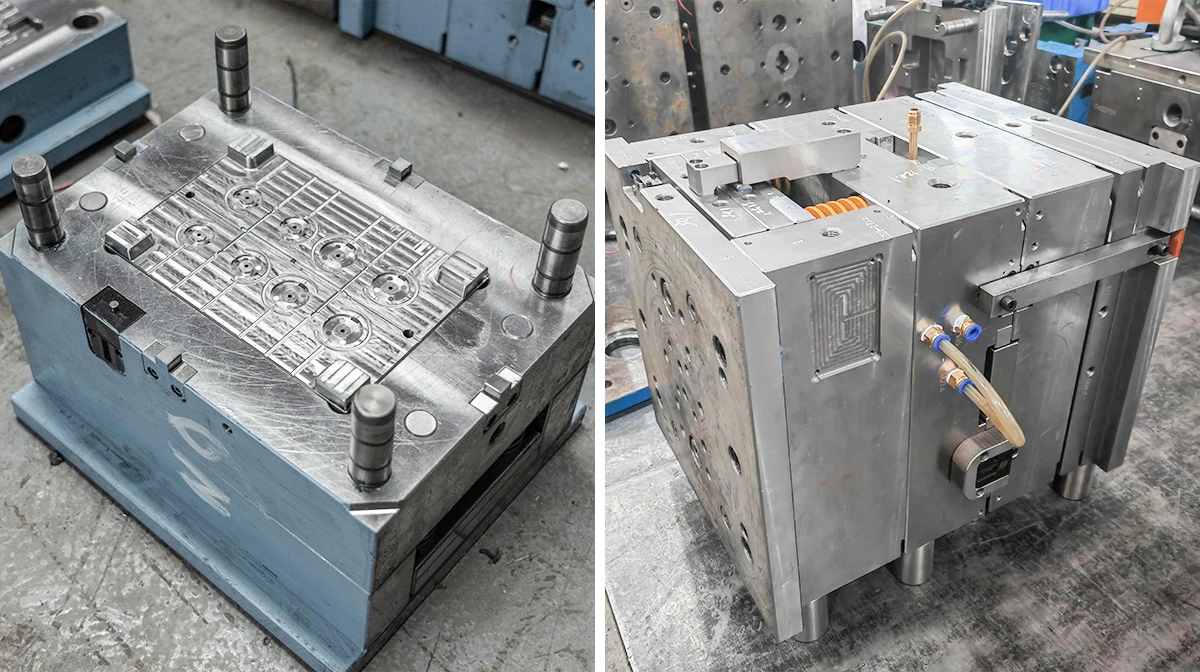
Rapid tooling (also called prototype tooling, bridge tooling, soft tooling, or low-volume mold) helps you test products quickly and cheaply. It’s perfect for small-batch production (costs 60%-80% less than mass-production molds). People use it to check product functions, review designs, improve structures, and calculate costs. During the process, the data you get can help finalize your high-volume production plan.
Unlike production toolings, rapid toolings have shorter lifespans (typically 100-10,000 injection cycles). However, they offer shorter lead times (5-28 days) and adapt to design changes easily. They save time and money, cut risks, and work best for prototype testing, bridge manufacturing, and low-volume orders in most sectors.
Unlike production toolings, rapid toolings have shorter lifespans (typically 100-10,000 injection cycles). However, they offer shorter lead times (5-28 days) and adapt to design changes easily. They save time and money, cut risks, and work best for prototype testing, bridge manufacturing, and low-volume orders in most sectors.
What Can Logell Mold’s Rapid Tooling Bring to Your Design?
We always recommend our clients to entrust both rapid tooling development and rapid injection molding production to us. This integrated approach ensures 30 %+ higher product yield by aligning mold design with plastic injection services.
For clients with existing molding equipment, we also provide custom tooling-only solutions. With Logell Mold’s in-house 5-axis CNC machines, EDM equipment, and mold fabrication workshops, the rapid molds we make will be your best choice.
For clients with existing molding equipment, we also provide custom tooling-only solutions. With Logell Mold’s in-house 5-axis CNC machines, EDM equipment, and mold fabrication workshops, the rapid molds we make will be your best choice.
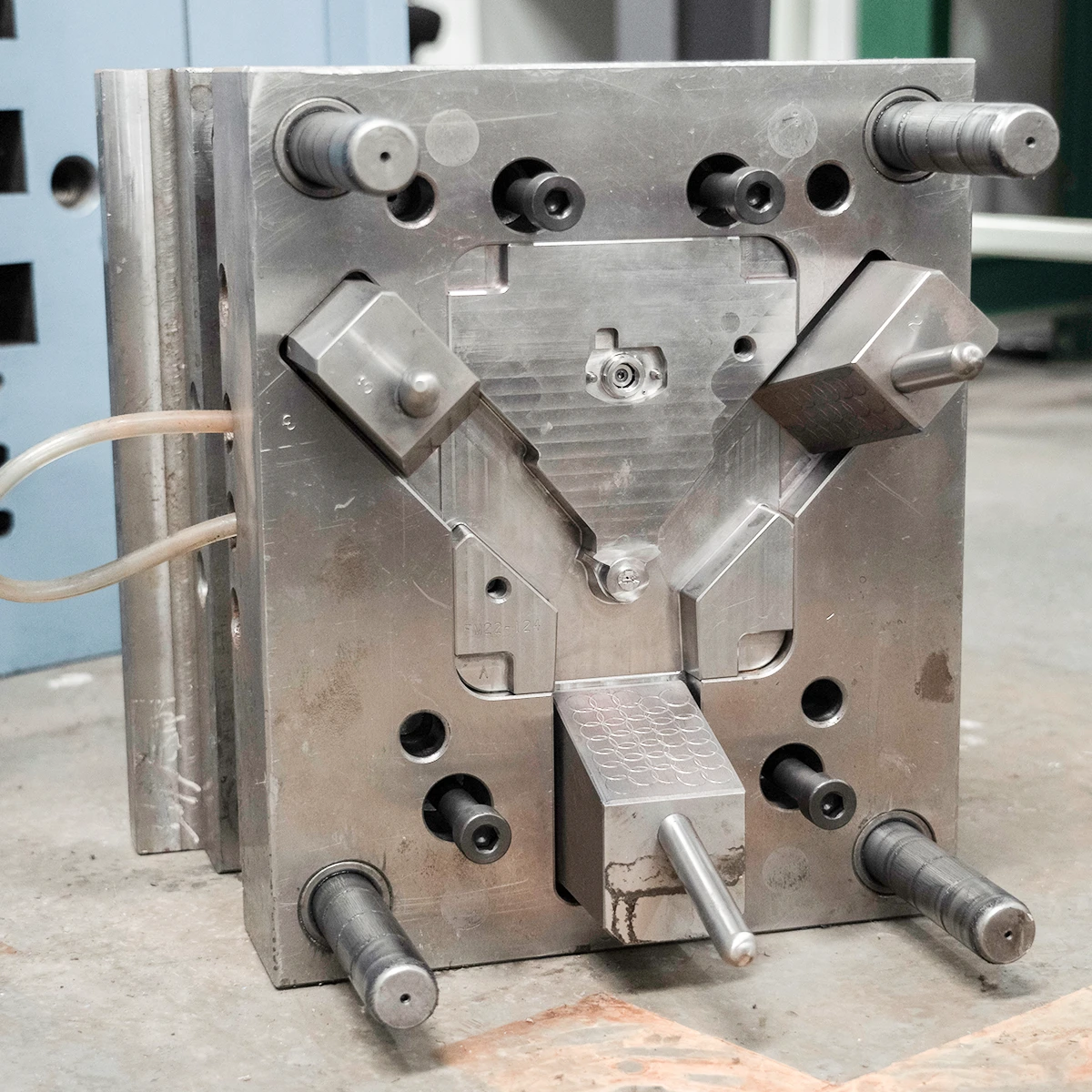
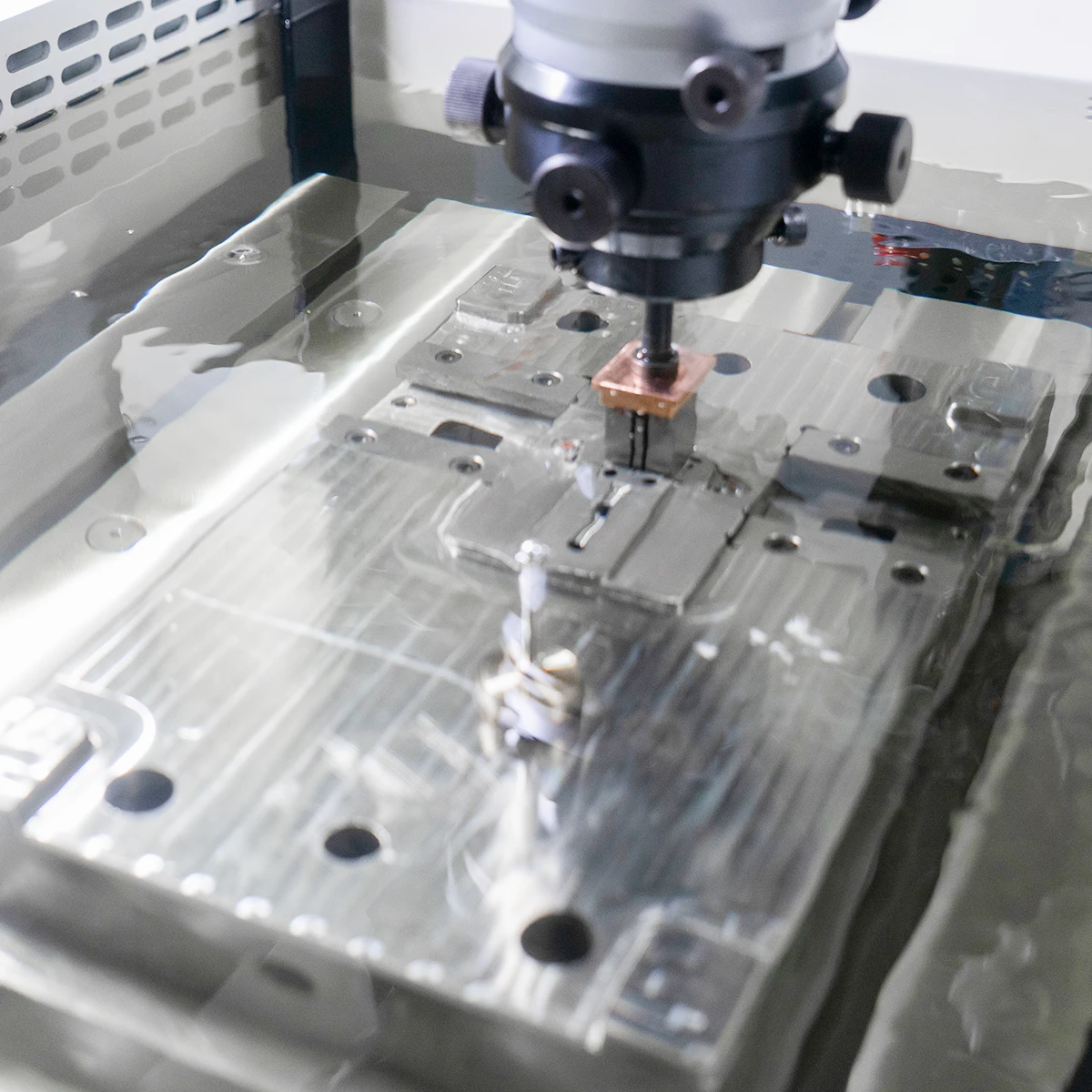
Full In-House Control, 0 Outsourcing Risks
Precision & Longevity, Both Enhanced
Transparent Pricing, No Hidden Costs
What is a rapid tooling?
Rapid tooling (also called prototype tooling, bridge tooling, soft tooling, or low-volume mold) helps you test products quickly and cheaply. It’s perfect for small-batch production (costs 60%-80% less than mass-production molds). People use it to check product functions, review designs, improve structures, and calculate costs. During the process, the data you get can help finalize your high-volume production plan.
Unlike production toolings, rapid toolings have shorter lifespans (typically 100-10,000 injection cycles). However, they offer shorter lead times (5-28 days) and adapt to design changes easily. They save time and money, cut risks, and work best for prototype testing, bridge manufacturing, and low-volume orders in most sectors.
Unlike production toolings, rapid toolings have shorter lifespans (typically 100-10,000 injection cycles). However, they offer shorter lead times (5-28 days) and adapt to design changes easily. They save time and money, cut risks, and work best for prototype testing, bridge manufacturing, and low-volume orders in most sectors.
| Key Factor | Rapid Tooling | Production Tooling |
| Stage | Prototyping, low-volume batches, market testing | Mass production (10,000+ units) |
| Mold Cost | 1,000−20,000 | 20,000−100,000 |
| Lead Time | 5-28 days | 8-16 weeks |
| Mold Lifespan | 100-10,000 cycles | 100,000-1,000,000+ cycles |
| Design Flexibility | High (easy gate/cooling adjustments) | Low (costly modifications) |
Typical Scenarios for Rapid Tooling:
Typical Scenarios for Production Tooling:
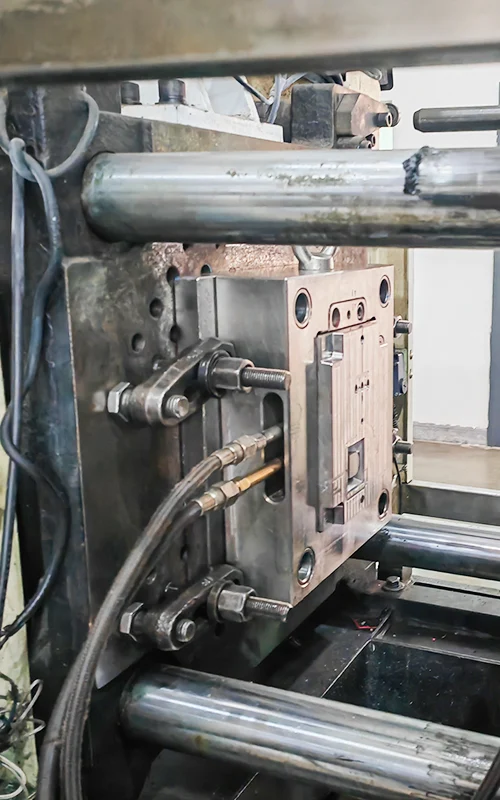
A good rapid tooling can accept multiple verifications
One
Verifications on structural design rationality
Two
Verifications and tests on strength of the parts
Three
Tests on production tooling structural design
Four
Verifications on selected materials performance
Five
Verifications on stability of mass
production
production
Six
Other requirements before mass
production
production
Rapid Tooling Manufacturing Process
Through 4 steps, you can obtain a high-quality prototype tooling.
1. 3D Model Upload & DFM Review
Upload your 3D design file. Our engineers
deliver a DFM report within 48 hours. They will flag
issueslike uneven wall thickness or insufficient draft
angles.
deliver a DFM report within 48 hours. They will flag
issueslike uneven wall thickness or insufficient draft
angles.
2. Mold Design & CNC/EDM Machining
Customize mold structure (parting lines, gates, cooling channels). 5-axis CNC machines and EDMs will produce core/cavity in 3-7 days with ±0.03mm precision.
3. Surface Polishing & Assembly
Polish surfaces (mirror or texture finishes), deburr parts, and assemble molds in workshops. Critical dimensions are verified using CMM with ≤0.02mm tolerance.
4. Trial Molding & Report Delivery
Run 5-10 test shots on our injection molding machines. Clients receive a Trial Report with defect analysis, parameter adjustments, and improvement plans.
Rapid Tooling Materials
Aluminum Molds (6061/7075)
This is ideal for low-volume batches (100-5,000 parts) like consumer electronics housings or automotive prototypes. First Mold uses 5-axis CNC machining for faster turnaround (5-15 days).
Steel Molds (P20/H13)
This is built for 10,000+ cycles in demanding applications (medical devices, connectors). Enhanced with TiN coatings to resist wear and reduce downtime.
Materials for Rapid Injection Molding: What We Can Produce
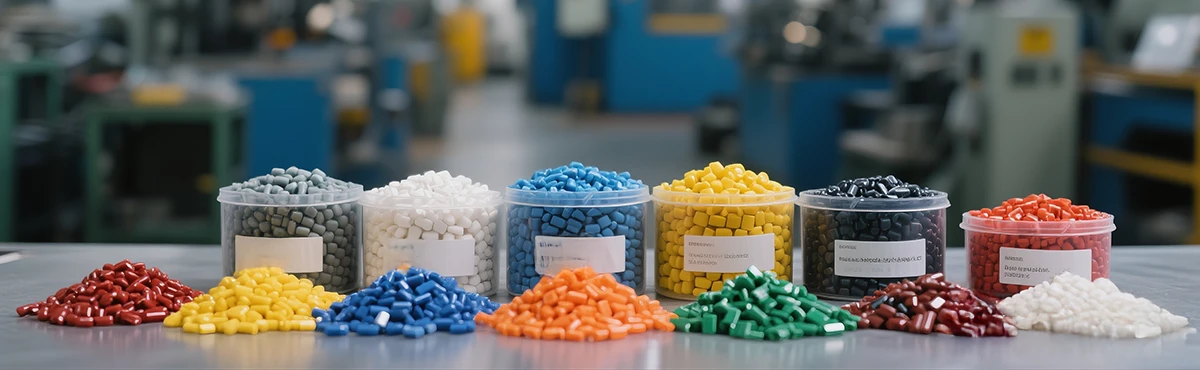
Rapid injection molding relies on molds produced via rapid tooling technologies. This seamless process allows fast material testing and low-volume production.
The application scenarios of rapid tooling

Electronics Industry
Case:
Auto Components
Case:
Healthcare Equipment
Case:
Auto Components
Case:
Rapid Tooling FAQ

What file types do you accept for mold design?
We accept: STEP (.stp), IGES (.igs), and SolidWorks (.sldprt) files.
Best choice: Use STEP files. They keep full 3D data for smooth processing.
Avoid: PNG JPG files. We need 3D files.
Need help? Send your file. We check it free in 24 hours.
How many parts can a rapid mold produce?
Aluminum molds: 1,000-5,000 plastic parts (e.g., phone cases, 300g PP material).
Steel molds: 10,000-50,000+ cycles (e.g., medical syringe parts, PEEK material).
3D-printed molds: 50-300 cycles (e.g., silicone rubber prototypes).
What if my parts have complex geometries?
We handle:
Undercuts (e.g., snap-fit tabs).
Thin walls (0.5mm thick, like drone arms).
Micro-textures (Ra 0.8μm mirror finishes).
Solutions:
Use 3D-printed molds (SLS/MJF technology) for ±0.15mm tolerance.
Add side sliders to aluminum/steel molds (costs 15% extra).
Do you offer global shipping?
Yes! We ship to 50+ countries via DHL/FedEx.
Cost included: Mold packaging and basic insurance.
Delivery time:
Asia: 1-3 days.
Europe/USA: 3-5 days.
Tracking link sent after shipment.
Customs help: Provide HS codes and commercial invoices.
How accurate are rapid molds?
Standard precision: ±0.05mm (for most ABS/PC parts).
High precision: ±0.02mm (steel molds with EDM finish, e.g., connector pins).
How we do it:
Check molds with CMM machines (Mitutoyo Crysta-Apex).
Run 5 test shots to verify dimensions.
Data: 98% of molds pass ISO 2768 medium tolerance.