Custom Plastic Injection Molding Service
Global-class quality, just a click away! Our skilled plastic injection molding service builds a bridge to the global market for you with one-stop solutions. Get your on-demand molded plastic prototypes & bulk as fast as 5 days.
An NDA can be signed if needed before the quotation.
What Is Plastic Injection Molding Service
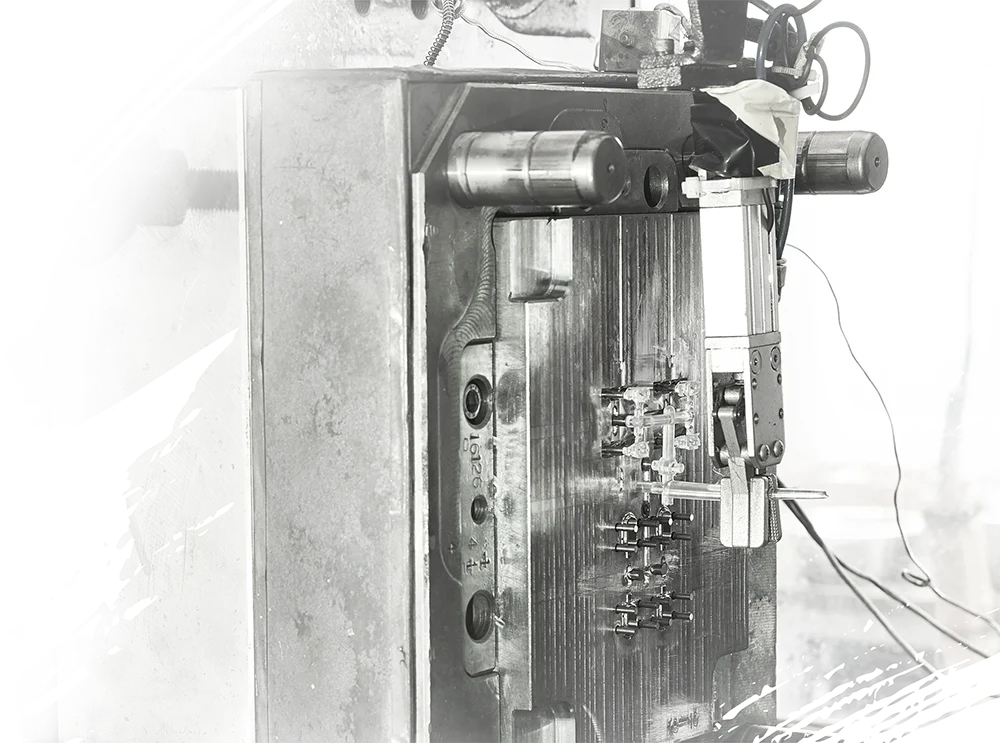
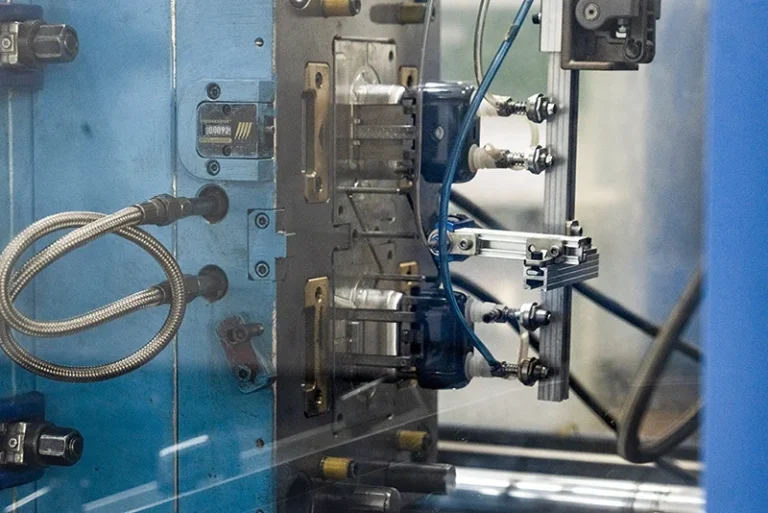
Plastic injection molding is the most widely used precision manufacturing process for plastic parts. During production, plastic pellets are melted in an injection molding machine and injected into custom plastic molds. When the molten plastic cools and solidifies, complex-shaped plastic components are obtained. All injection molding factories provide services based on this principle.
The key advantage of custom injection molding services lies in their high efficiency and cost-effectiveness for producing plastic products, ranging from dozens to millions of units. It applies to over 95% of industrial sectors including automotive and electronics.
Startups, product design firms, prototype developers, and large enterprises can all get injection-molded products maintaining 99.8% dimensional stability even at 10,000-unit production scales. Clients also receive comprehensive support like DFM, material selection, and surface treatment.
The key advantage of custom injection molding services lies in their high efficiency and cost-effectiveness for producing plastic products, ranging from dozens to millions of units. It applies to over 95% of industrial sectors including automotive and electronics.
Startups, product design firms, prototype developers, and large enterprises can all get injection-molded products maintaining 99.8% dimensional stability even at 10,000-unit production scales. Clients also receive comprehensive support like DFM, material selection, and surface treatment.
4 Key Phases in Injection Molding Solutions
Logell Mold is a trusted name in plastic injection molding services. We know how to translate client designs into precise reality; We know how to ensure stability in million-unit high-volume production runs. We know how to minimize trial-and-error costs for our customers. To achieve this, we’ve developed a vertically integrated custom plastic parts making solution:
This proven high-efficiency plastic parts making system is built upon four deeply optimized core phases:
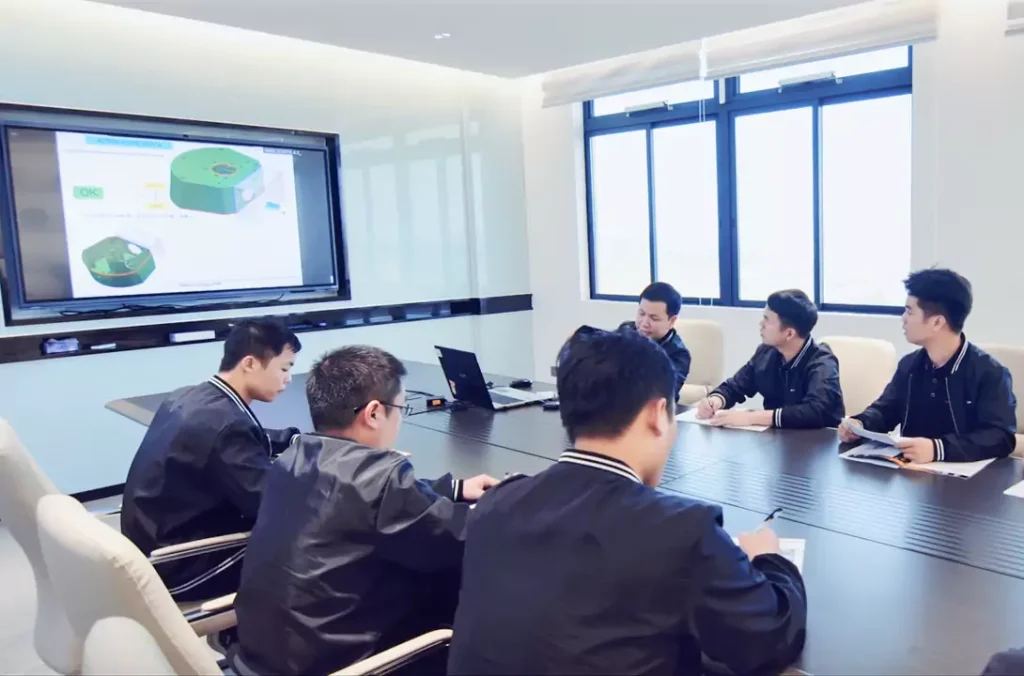
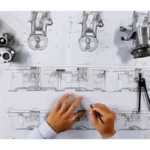
01. Plastic Mold Design
The mold design in the mold factory decides the shape, size and accuracy of the product. The skills of mold designers can shape the injection-molded parts in aspects like quality and performance.
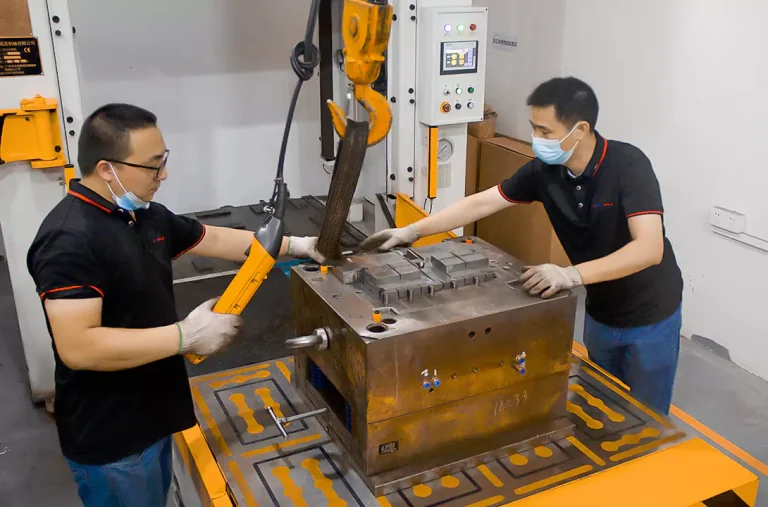
02. Injection Mold Making
Mold making turns the mold design drawings into real-life molds. The mold manufacturing ability of the mold company can determine the mold’s lifespan, and it affects the production cost of your products.
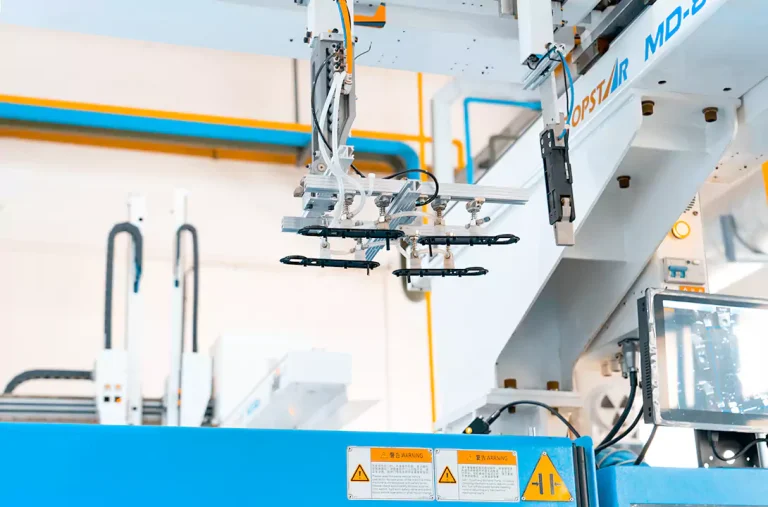
03. Plastic Molding Production
Plastic materials are turned into your products with the help of molds. The plastic molding factory’s ability to control molding parameters can determine how good or bad the quality of the final products will be.
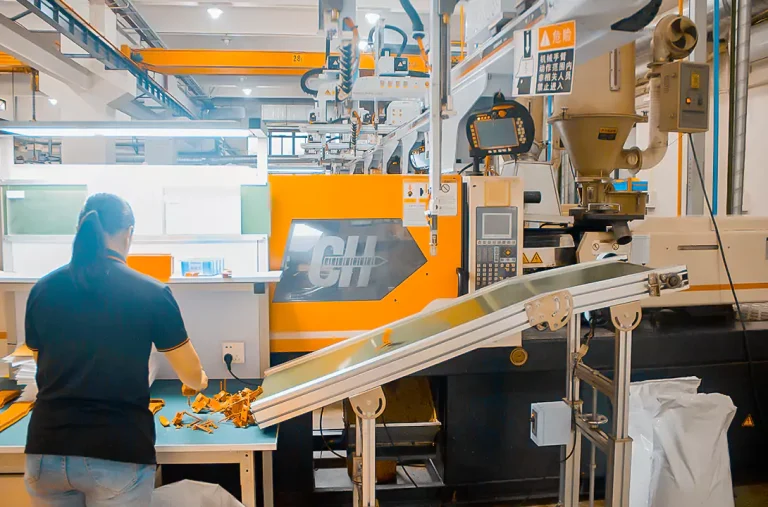
04. Parts Post-Processing
By removing the flash, making surface finishes and assembling parts, First Mold can make the product look better, improve its performance, and meet customized and your special requirements.
What Is Plastic Injection Molding Service
Scalable Plastic Injection Molding Service
Precision Plastic Molding Solutions
Scalable Plastic Injection Molding Service
Precision Plastic Molding Solutions
2600k+
Monthly Parts Capacity
30+
Monthly Molds Fabrication
± 0.02 mm
Precision Mold Tolerance
± 0.05mm
Precision Molding Tolerance
| Items | Description | Items | Description |
| Maximum Part Dimensions: | 1600mm x 1400mm x 500mm | Minimum Part Dimensions: | 1mm x 1mm x 5mm |
| Range of Materials Used: | Over 200 types, including modified plastic materials | Injection Mold Lead Time: | The fastest delivery time is one week |
| Injection Molding Cycle: | 20 seconds for ordinary structural parts | Tooling and injection molding department: | More than 130 employees in their respective roles |
When to Choose Plastic Injection Molding?
Optimal for projects requiring:
| Criteria | Plastic Injection Molding | 3D Printing | CNC Machining |
| Best Use Cas | High-volume production (≥500 parts) | Low-volume prototypes (1-500 parts) | Medium-batch complex parts (500-5k parts) |
| Per-Unit Cost | 30-day lead time (incl. mold), 50k parts/week post-mold | 1-5 days (no tooling required) | 2-3 weeks (programming + machining) |
| Material Options | 50+ engineering-grade resins (glass-filled, flame-retardant, etc.) | 10+ photopolymers/nylons | 100+ metals/plastics (limited by stock size) |
| Lead TToleranceime | ±0.05mm- (mold-dependent) | ±0.3 (layer adhesion limits) | ±0.05(tool wear impacts consistency) |
| Sustainability | High material yield (≥95%) | 15-25% resin waste | 60-80% scrap recyclability |
Application in Various Industries
Industry-Specific Plastic Injection Molding Solutions
Plastic parts are an affordable and versatile choice in product design and manufacturing. In most cases, it makes sense to select the lightest, most durable, and cost-effective materials to create the desired products.
Plastic injection molding solution is a highly efficient manufacturing process and plays a critical role in developing high-quality products across a range of industries. In numerous industrial applications, plastic molding can reduce the weight of components by up to 50%, produce less waste, and enable the formation of complex shapes and customized designs. Whether for high-volume production, low-volume runs, or prototype development, injection molding for plastic products provides cost-effective solutions for consumer goods, automotive parts, medical devices, and more.
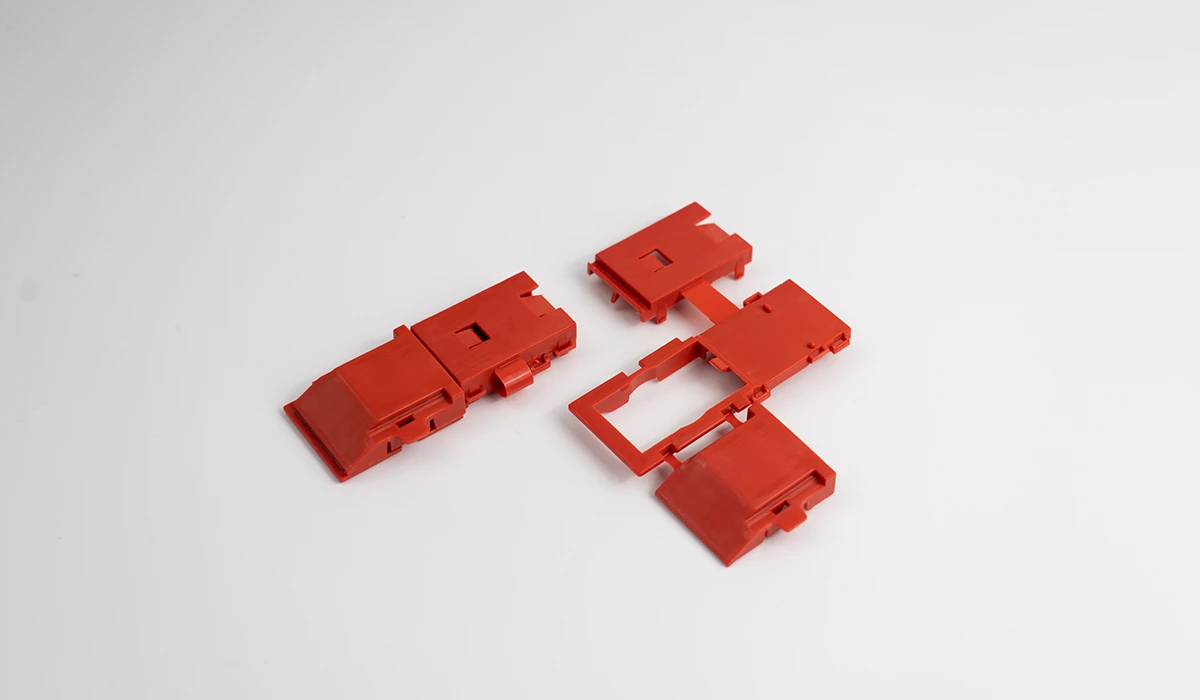
Automotive Plastic Parts Injection Molding
Tolerances: ±0.03mm on sealing surfaces | Cycle Time: 45s for large structural parts
| Category | Components |
| Powertrain | Fuel rails, Turbocharger nylon ducts, Sensor housings, Oil pump gears, Throttle body assemblies |
| Electrification | Battery module enclosures, Motor end caps, Charging port covers, BMS (Battery Management System) housings |
| Interior/Exterior | Smart door handles, Aerodynamic spoilers, Hidden door release mechanisms, HVAC vent louvers |
| Chassis | Suspension control arm brackets, Brake pedal assemblies, Wheel arch liners, Steering column shrouds |
| Electronics | Radar mounting brackets, LiDAR sensor housings, ECU (Electronic Control Unit) enclosures |
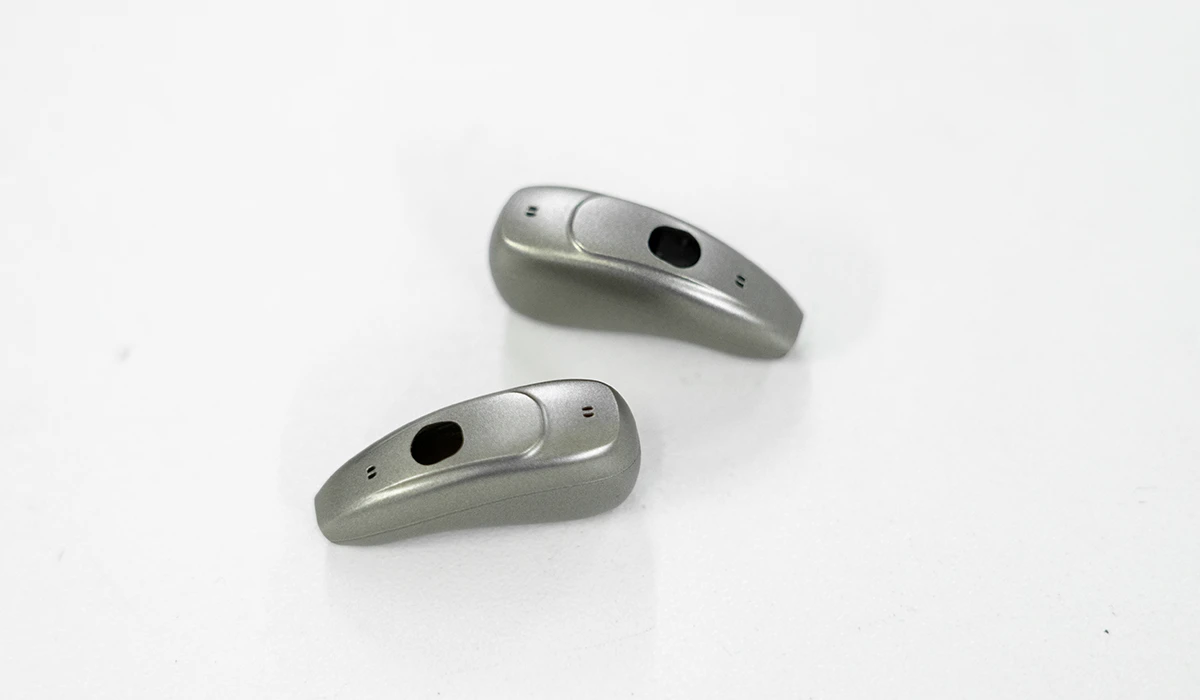
Medical Plastic Parts Injection Molding
Surface Finish: SPI A-2 (Ra ≤0.025μm) for fluidic channels
| Category | Components |
| Surgical Tools | Laparoscopic grasper jaws, Biopsy needle hubs, Orthopedic drill guides, Retractor handles |
| Drug Delivery | Insulin pen dose selectors, Inhaler vortex chambers, Auto-injector trigger mechanisms |
| Diagnostics | PCR cartridge slots, Centrifuge tube racks, Microfluidic chip manifolds |
| Disposables | IV catheter luer locks, Blood collection tube caps, Surgical drape fasteners |
| Implables | Hearing aid housings, Cochlear implant casings, Dental aligner clips |
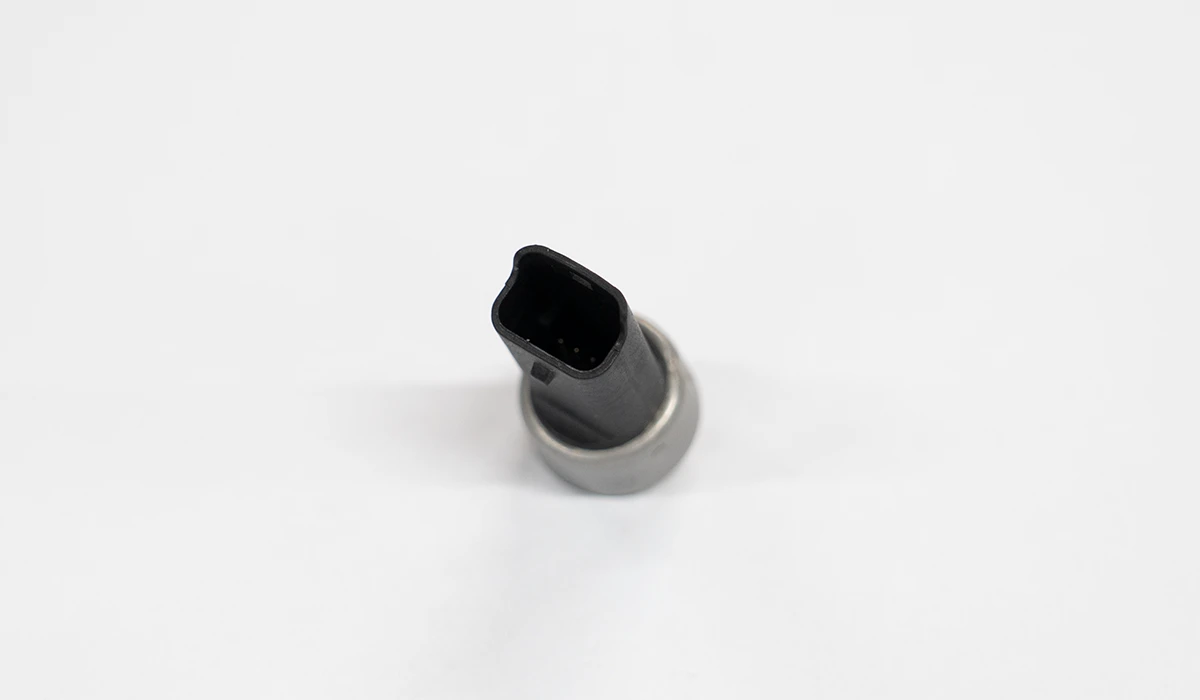
Consumer Electronics Plastic Parts Injection Molding
Drop Test: 1.5m onto concrete (MIL-STD-810G)
| Category | Components |
| Mobile Devices | Smartphone camera bezels, SIM tray assemblies, Tactile button membranes |
| Audio | TWS earphone charging cases, Speaker grille meshes, ANC microphone housings |
| IoT Hardware | WiFi router antenna bases, Smartwatch sensor pods, RFID tag enclosures |
| Connectors | USB-C port shrouds, Waterproof IP68 junction boxes, Board-to-board interconnects |
| Thermal Management | Heat sink fan blades, Graphene-filled thermal interface housings |
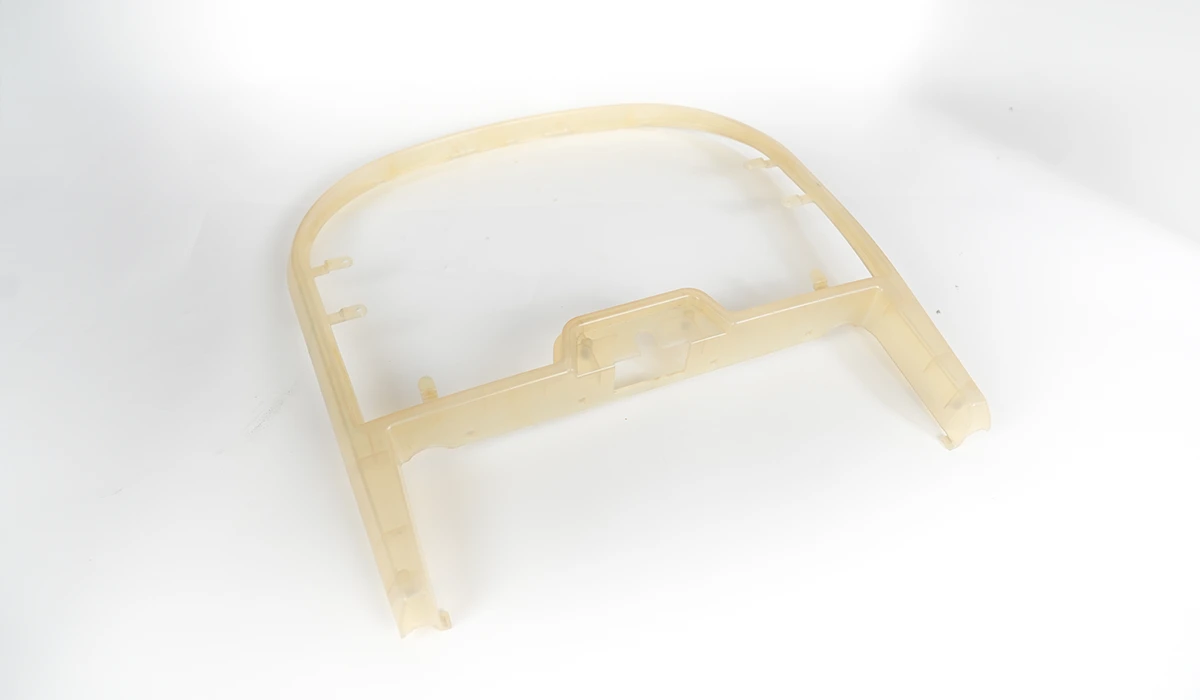
Aerospace Plastic Parts Injection Molding
Compliance: FAR 25.853 flammability | ASTM D4169 shipping simulation
| Category | Components |
| Fluid Systems | Hydraulic valve spools, Pneumatic quick-connect couplers, Fuel line check valves |
| Structural | UAV (Drone) arm joints, Satellite bracket assemblies, Robot end-effector fingers |
| Electrical | Terminal block insulators, Arc-resistant switch housings, Busbar support clamps |
| High-Temp | Turbine blade root spacers, Exhaust gas recirculation flaps, Bearing cage retainers |
| Custom | Overmolded vibration dampers, EMI/RFI shielded enclosures |
Plastic Injection Molding Cases
StExperience the capabilities of First Mold’s plastic injection molding service for custom parts firsthand through our comprehensive case studies.
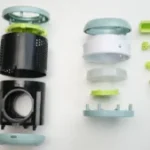
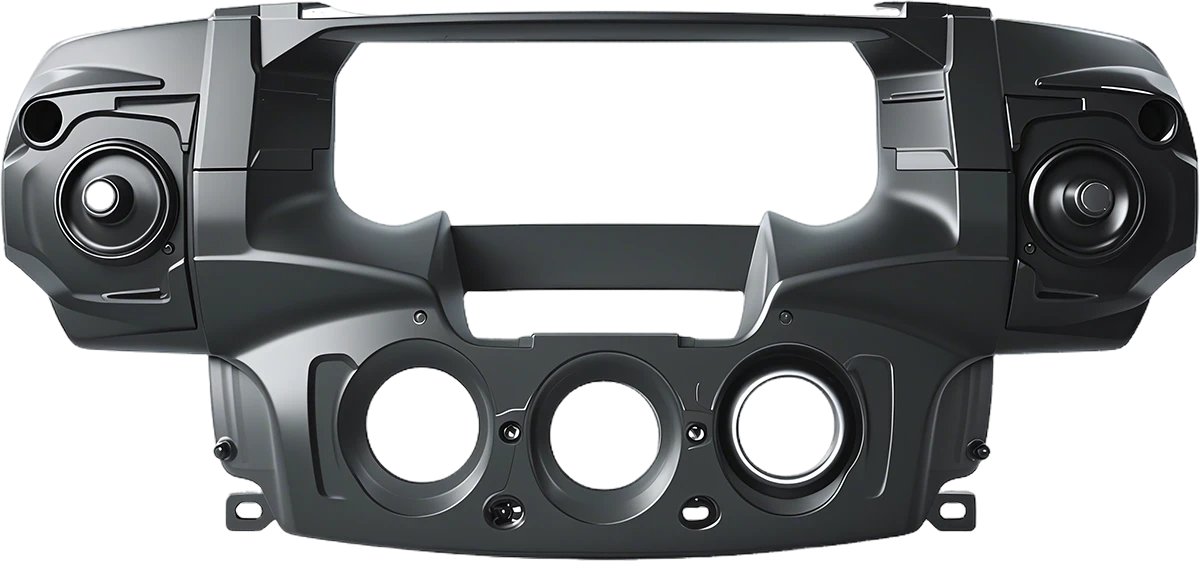
Custom Speaker Component Manufacturing
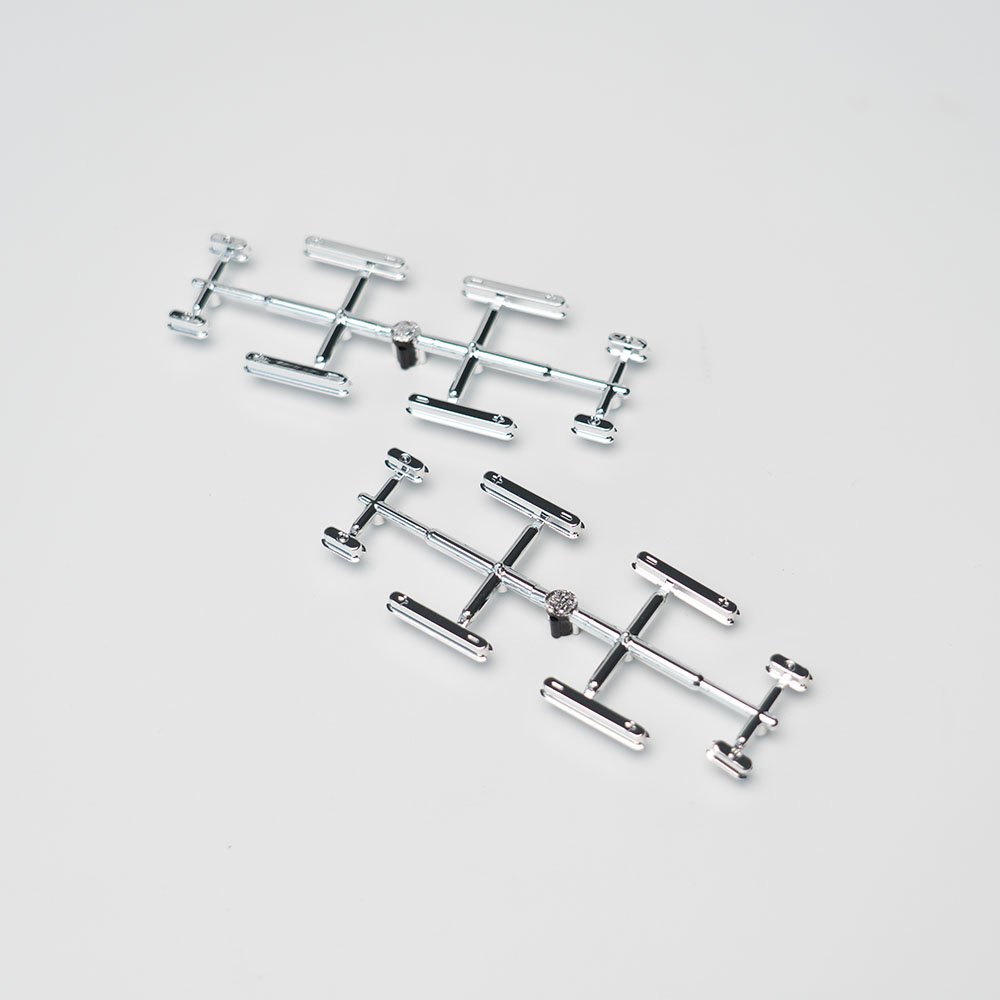
Mass Production of Small Button Parts
Available Materials For Plastic Injection Molding Services
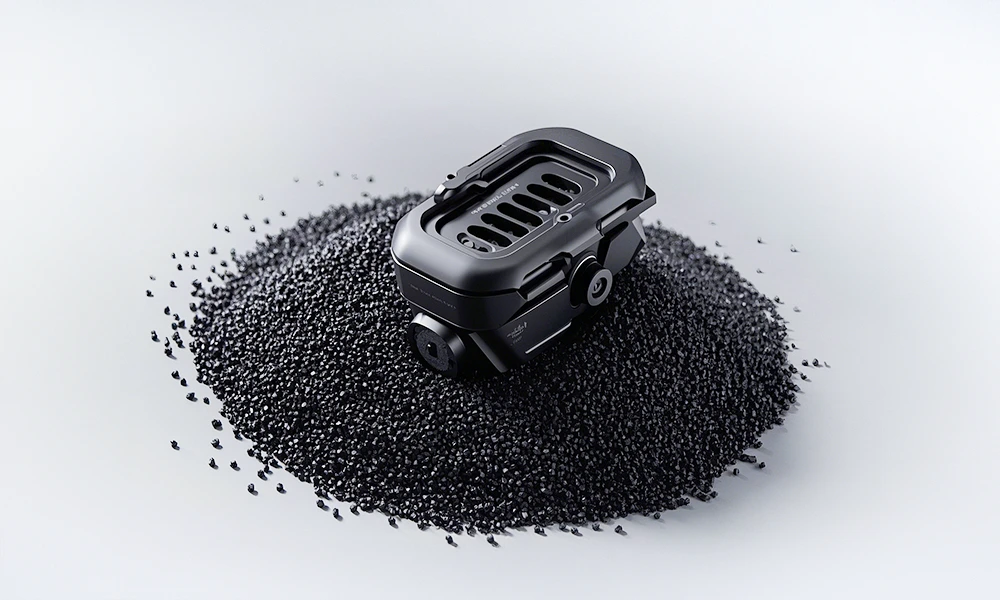
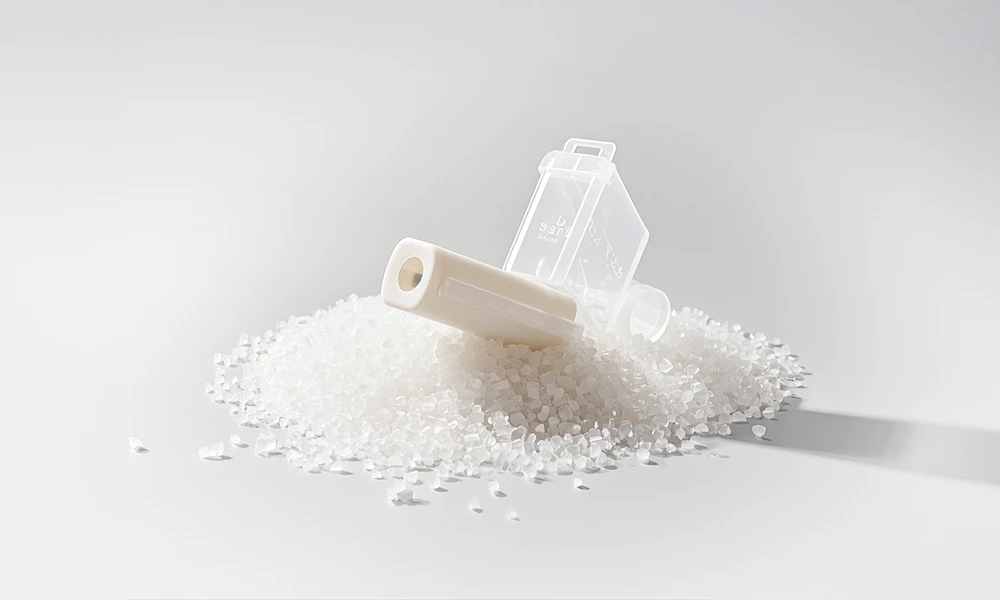
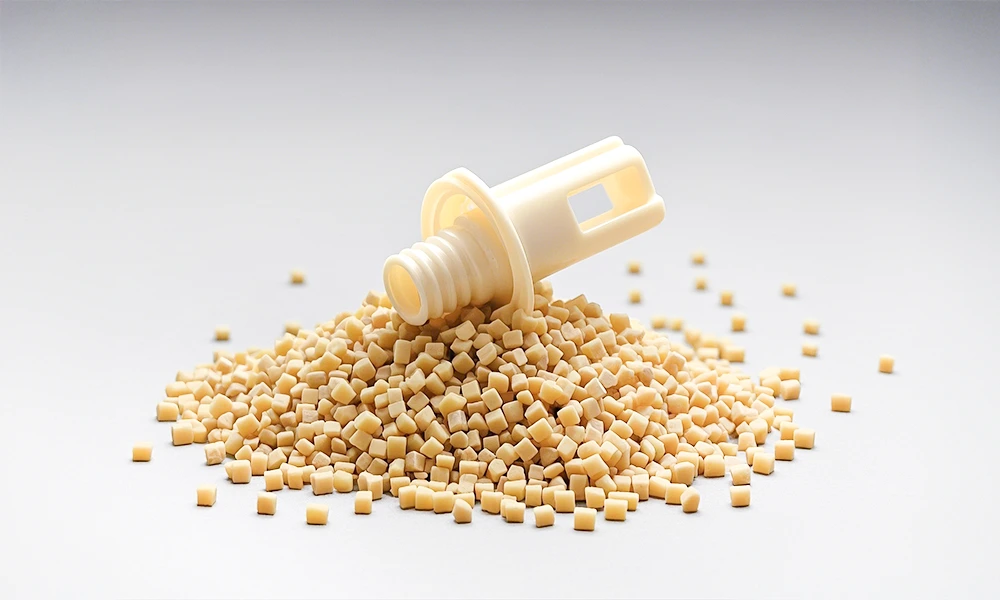
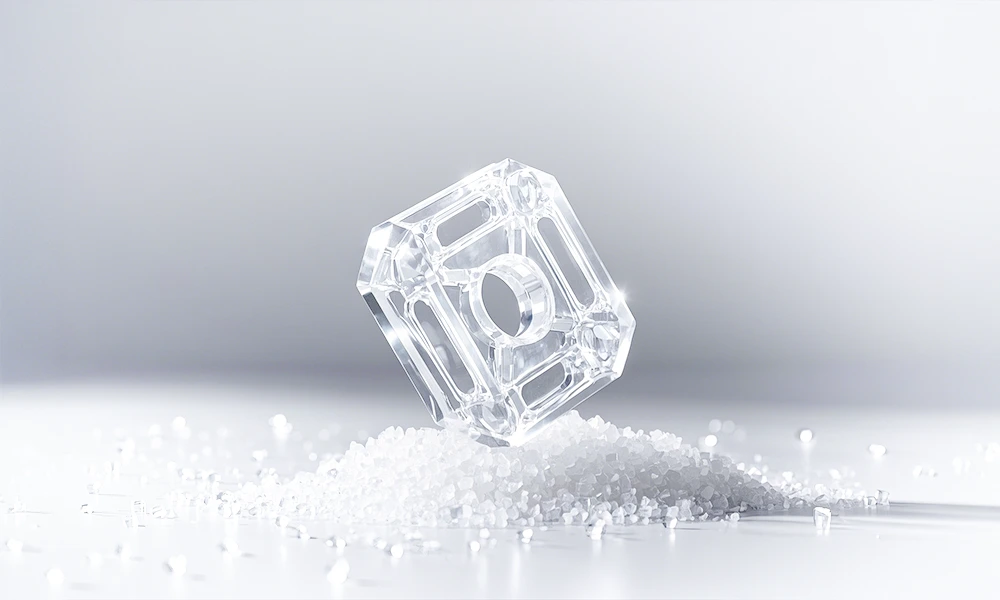
Logell Mold offers fast plastic injection molding service for all types of plastics, including general-purpose plastics, engineering plastics, Thermosetting plastics, modified plastics, reinforced plastics. We can provide material certifications, or purchase materials from your designated suppliers and provide proof of purchase.
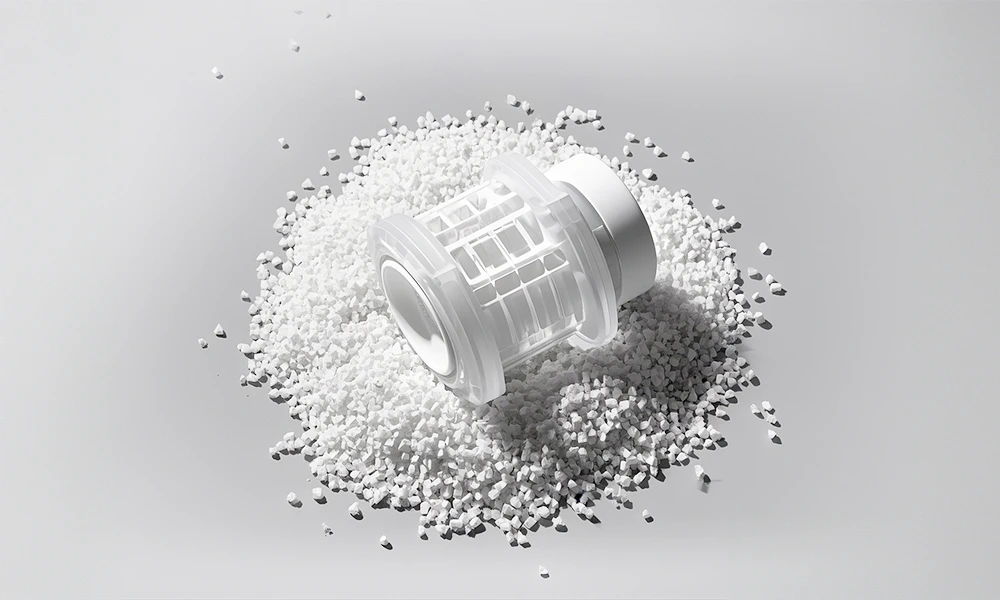
ABS Molding
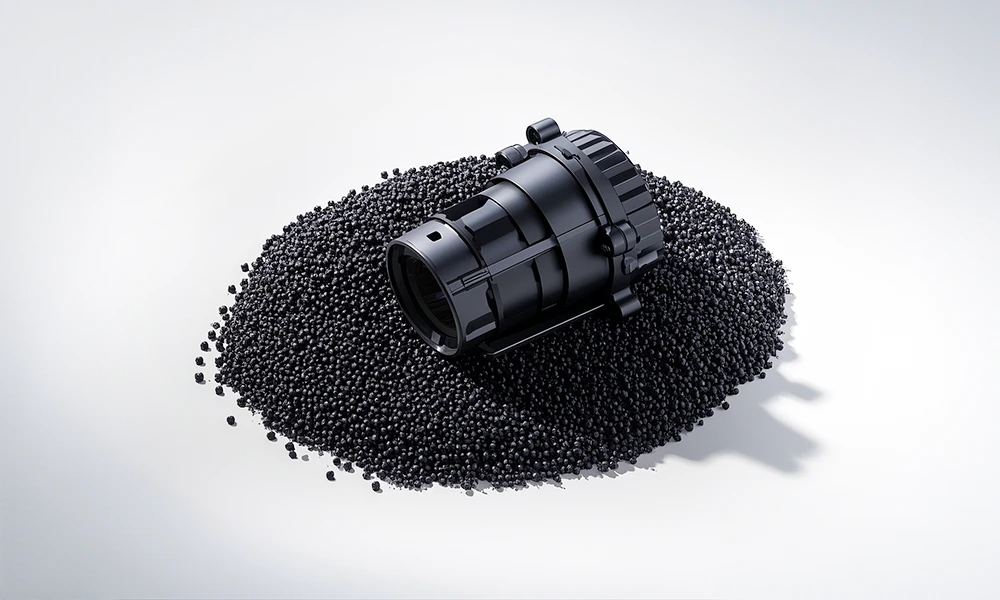
PA Molding
PBT Molding
PC Molding
PEEK Molding
PMMA Molding
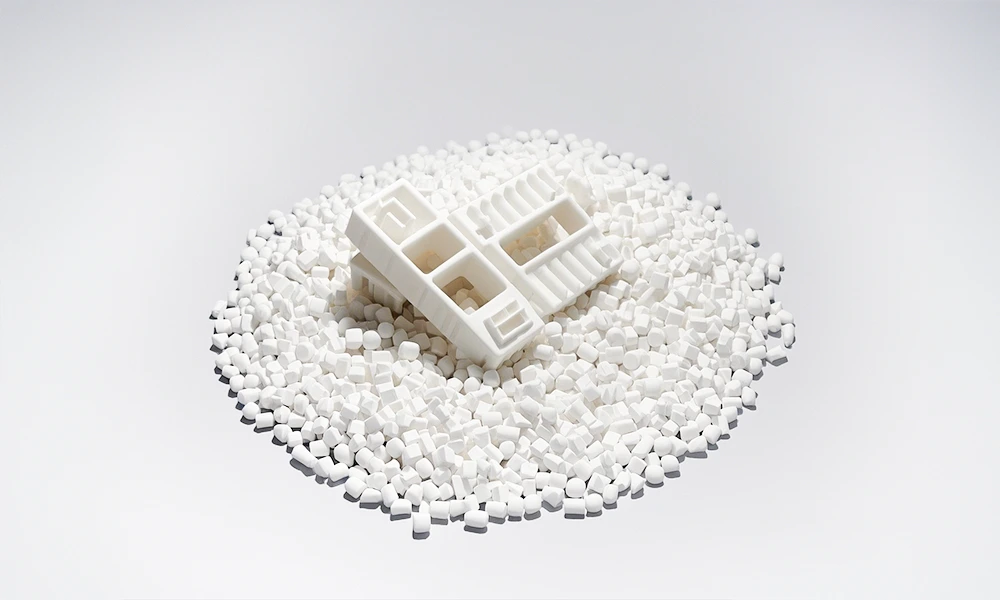
POM Molding
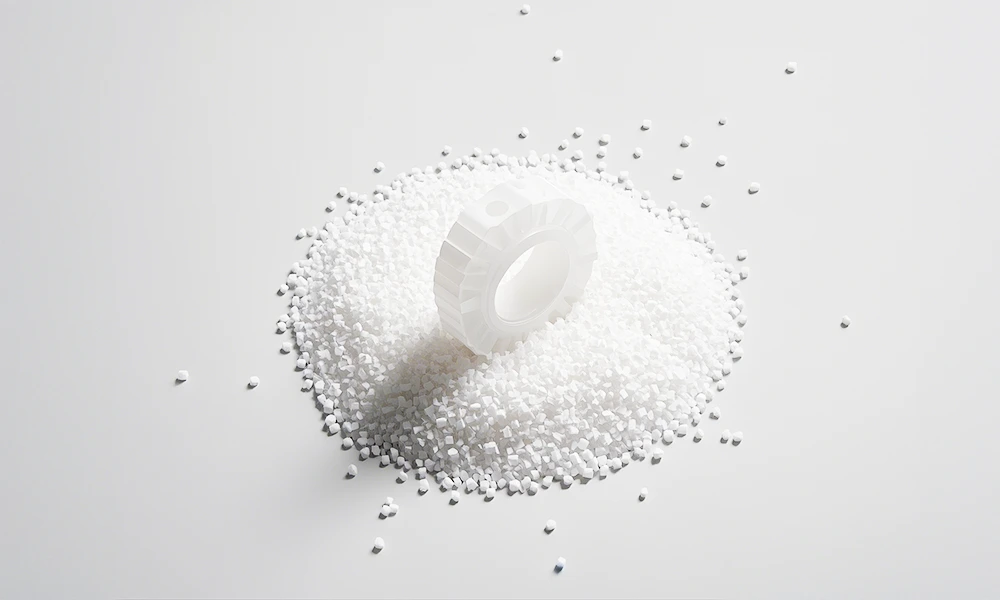
PP Molding
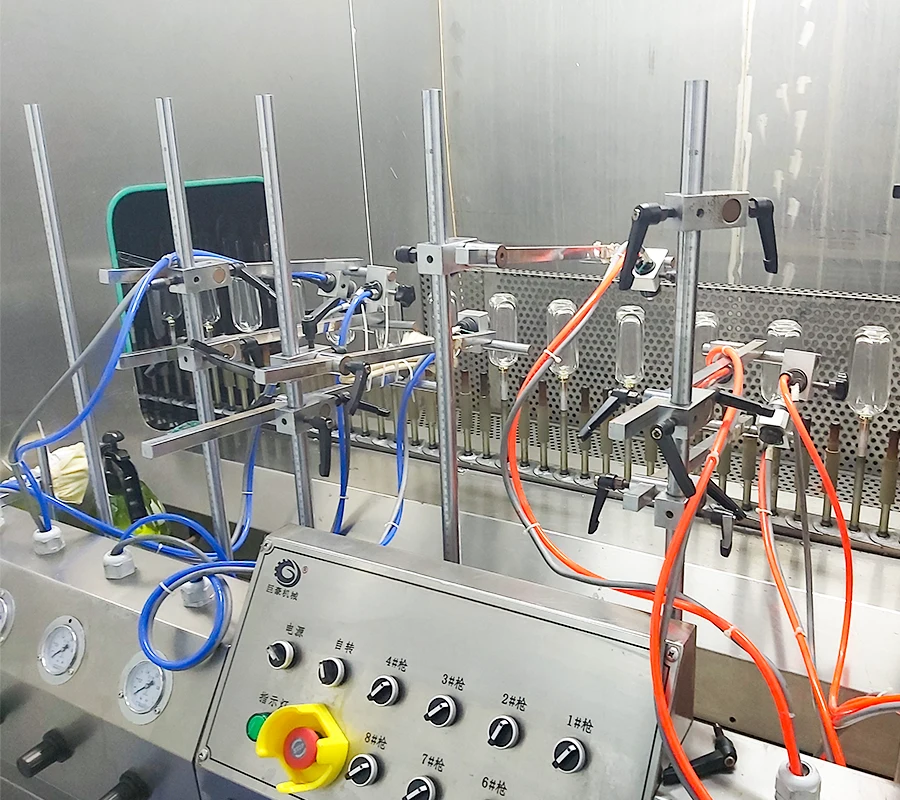
Plastic Molded Parts Finish Options
Plastic Molding FAQ

How long is the production cycle of standard plastic injection molding services?
We support startups, growing brands, and established companies looking to improve visibility, optimize conversions, and scale marketing performance across digital channels.
What factors are going to affect the cost of plastic injection molding?
Factors affecting the cost of injection molded products are mainly in the following areas:
Product design
Complexity: The more complex the shape, dimensional accuracy, functional requirements, the higher the cost, involving mold manufacturing, injection molding process and material selection.
Structural design: wall thickness and demolding design affects the quality and productivity, reasonable design can control costs.
Appearance requirements: high-quality surface, color and decorative requirements will increase costs.
Mold factors
Mold type and quality: the number of cavities, materials and precision affect the mold cost and productivity.
Mold life and maintenance costs: short life or high maintenance costs will increase costs.
Injection molding production
Material cost: Material price and wastage rate is an important part of the cost.
Production batch size and efficiency: batch size and production efficiency significantly affect the unit product cost.
Post-processing and packaging
Post-processing costs: processing technology and quality requirements determine the post-processing costs.
Packaging costs: materials, design, quantity and method will affect the cost of packaging.
Product design
Complexity: The more complex the shape, dimensional accuracy, functional requirements, the higher the cost, involving mold manufacturing, injection molding process and material selection.
Structural design: wall thickness and demolding design affects the quality and productivity, reasonable design can control costs.
Appearance requirements: high-quality surface, color and decorative requirements will increase costs.
Mold factors
Mold type and quality: the number of cavities, materials and precision affect the mold cost and productivity.
Mold life and maintenance costs: short life or high maintenance costs will increase costs.
Injection molding production
Material cost: Material price and wastage rate is an important part of the cost.
Production batch size and efficiency: batch size and production efficiency significantly affect the unit product cost.
Post-processing and packaging
Post-processing costs: processing technology and quality requirements determine the post-processing costs.
Packaging costs: materials, design, quantity and method will affect the cost of packaging.
How do you manage product consistency during large-scale plastic injection molding solution?
Our company ensures product consistency during plastic injection molding for high-volume production through the following methods:
Raw Material Management
1. As an excellent injection molding company, First Mold has fixed raw material suppliers.
2. We conduct material testing on every batch of raw materials entering the factory and store them in a scientific way.
Mold Management
1. The mold design and manufacturing at First Mold are controlled by relevant standard documents, which can ensure the quality of key processes.
2. We have our own mold house. We regularly maintain the molds to reduce deviations.
Management during plastic injection molding production
1. We strictly control process changes. If there are any changes, we need to conduct thorough verification before adoption.
2. We conduct multiple trial moldings internally to obtain the optimal parameter settings for the injection molding machine. Also, there are dedicated personnel to monitor during production.
Raw Material Management
1. As an excellent injection molding company, First Mold has fixed raw material suppliers.
2. We conduct material testing on every batch of raw materials entering the factory and store them in a scientific way.
Mold Management
1. The mold design and manufacturing at First Mold are controlled by relevant standard documents, which can ensure the quality of key processes.
2. We have our own mold house. We regularly maintain the molds to reduce deviations.
Management during plastic injection molding production
1. We strictly control process changes. If there are any changes, we need to conduct thorough verification before adoption.
2. We conduct multiple trial moldings internally to obtain the optimal parameter settings for the injection molding machine. Also, there are dedicated personnel to monitor during production.
What factors should we consider during product design?
When product designers or design companies are designing plastic products, you can consider the following points:
Product Structural Design
Demolding Design: You can set reasonable draft angles (0.5° – 1.5° for outer surfaces, 1° – 2° for inner surfaces). Please avoid undercut structures whenever possible, and use special mold structures such as slides.
Wall Thickness Design: Keep wall thickness as uniform as possible, ideally between 1mm and 4mm. Design ribs reasonably (rib thickness should be 0.5 – 0.7 times the product wall thickness, with moderate height) to avoid issues like uneven cooling, sink mark, warping, or distortion.
Assembly Structure Design: Consider mold manufacturability and injection feasibility when designing assembly structures, paying attention to snap-fit dimensions, strength, and demolding direction, as well as assembly gaps (around 0.1 – 0.3mm) to prevent interference or looseness.
Mold Design Considerations
Parting Line Design: Choose the largest contour of the product as the parting line to ensure that after opening the mold, the product stays on the moving side for easier ejection and reduces the impact of parting lines on product appearance.
Gate Design: Position the gate in areas where the product wall thickness is thicker. Select an appropriate gate type (e.g., side gate, pin gate, submerged gate, etc.) based on the product’s appearance and size. Properly determine the gate size to avoid issues like short shots or flash.
Cooling System Design: Design cooling channels close to the cavity surface and evenly distributed, with a distance of about 10 – 20mm from the cavity surface. This ensures uniform cooling of the product and prevents internal stress and deformation caused by uneven cooling.
Material Selection and Performance Considerations
Material Flowability: Choose materials with suitable flowability based on the product’s shape and structure. Melt Flow Rate (MFR) is a good measure. For complex or thin-walled products, select materials like PP or PA with high flowability.
Material Shrinkage Rate: Consider the material’s shrinkage rate and leave allowance for shrinkage. Different materials have different shrinkage rates. For example, ABS has a shrinkage rate between 0.4% and 0.7%.
Material Mechanical and Chemical Properties: Choose materials based on the product’s usage environment and functional requirements, considering factors like material strength, toughness, chemical corrosion resistance, and compatibility when parts of different materials come into contact.
Product Structural Design
Demolding Design: You can set reasonable draft angles (0.5° – 1.5° for outer surfaces, 1° – 2° for inner surfaces). Please avoid undercut structures whenever possible, and use special mold structures such as slides.
Wall Thickness Design: Keep wall thickness as uniform as possible, ideally between 1mm and 4mm. Design ribs reasonably (rib thickness should be 0.5 – 0.7 times the product wall thickness, with moderate height) to avoid issues like uneven cooling, sink mark, warping, or distortion.
Assembly Structure Design: Consider mold manufacturability and injection feasibility when designing assembly structures, paying attention to snap-fit dimensions, strength, and demolding direction, as well as assembly gaps (around 0.1 – 0.3mm) to prevent interference or looseness.
Mold Design Considerations
Parting Line Design: Choose the largest contour of the product as the parting line to ensure that after opening the mold, the product stays on the moving side for easier ejection and reduces the impact of parting lines on product appearance.
Gate Design: Position the gate in areas where the product wall thickness is thicker. Select an appropriate gate type (e.g., side gate, pin gate, submerged gate, etc.) based on the product’s appearance and size. Properly determine the gate size to avoid issues like short shots or flash.
Cooling System Design: Design cooling channels close to the cavity surface and evenly distributed, with a distance of about 10 – 20mm from the cavity surface. This ensures uniform cooling of the product and prevents internal stress and deformation caused by uneven cooling.
Material Selection and Performance Considerations
Material Flowability: Choose materials with suitable flowability based on the product’s shape and structure. Melt Flow Rate (MFR) is a good measure. For complex or thin-walled products, select materials like PP or PA with high flowability.
Material Shrinkage Rate: Consider the material’s shrinkage rate and leave allowance for shrinkage. Different materials have different shrinkage rates. For example, ABS has a shrinkage rate between 0.4% and 0.7%.
Material Mechanical and Chemical Properties: Choose materials based on the product’s usage environment and functional requirements, considering factors like material strength, toughness, chemical corrosion resistance, and compatibility when parts of different materials come into contact.
Can I visit your facility to see the plastic injection molding service for industrial parts?
We warmly welcome you to visit our factory and highly encourage you to come and see our equipment for a better understanding!
There will be dedicated colleagues in our company to accompany you throughout the visit.
You’ll start the tour from the raw material inspection area, and then visit the mold design office, CNC mold fabrication workshop, mold house, injection- molding production workshop, part inspection area, and so on. This way, you can get a comprehensive understanding of the injection-molding services for industrial parts that we offer.
Of course, in each workshop, there are production areas where we have signed confidentiality agreements with our clients. These areas are not open to the public.
You can go to the page https://firstmold.com/contact-us/ to learn in advance how to get to our company. And please communicate with us in advance about the specific visiting time. First Mold ensures that you’ll have a satisfying visiting experience.
There will be dedicated colleagues in our company to accompany you throughout the visit.
You’ll start the tour from the raw material inspection area, and then visit the mold design office, CNC mold fabrication workshop, mold house, injection- molding production workshop, part inspection area, and so on. This way, you can get a comprehensive understanding of the injection-molding services for industrial parts that we offer.
Of course, in each workshop, there are production areas where we have signed confidentiality agreements with our clients. These areas are not open to the public.
You can go to the page https://firstmold.com/contact-us/ to learn in advance how to get to our company. And please communicate with us in advance about the specific visiting time. First Mold ensures that you’ll have a satisfying visiting experience.