
Mold Making Materials
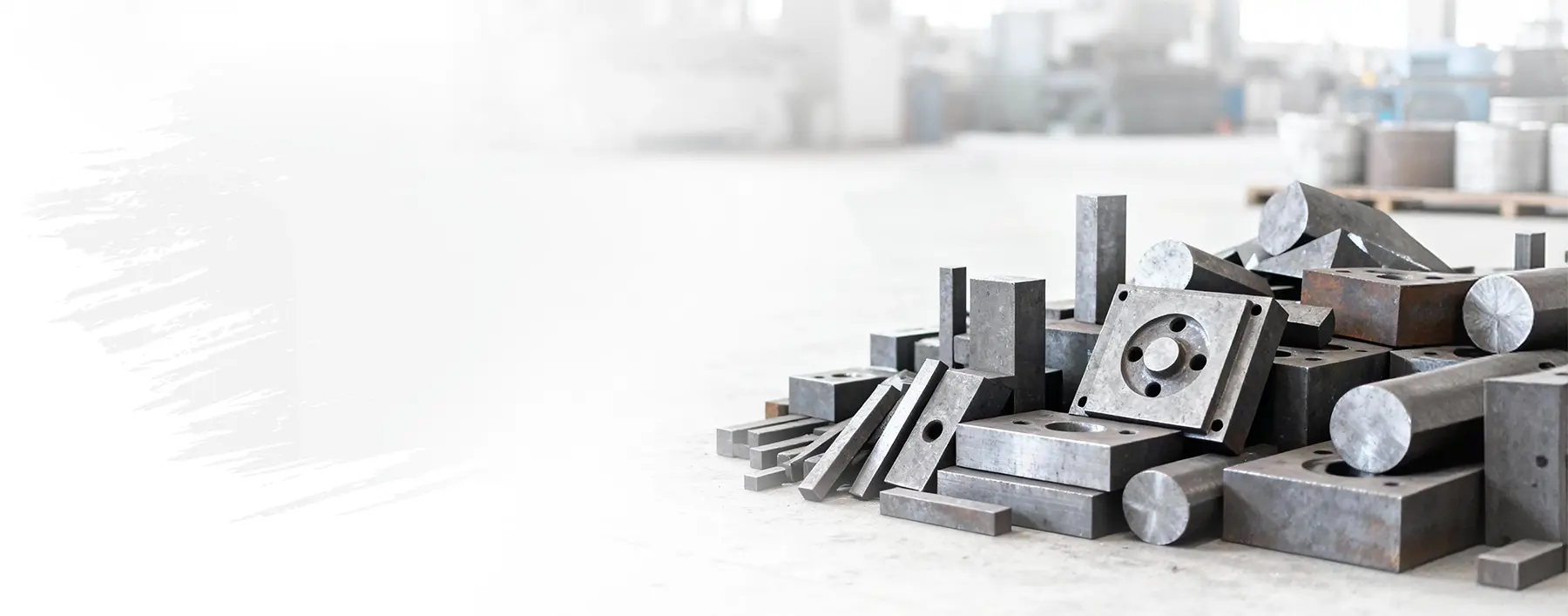
Mold manufacturing involves a variety of sub-materials, such as mold steel, special alloys, and so on. The choice of materials is crucial for the quality of the mold. High- quality mold making materials can ensure that the mold maintains accuracy and stability over a long period. They also determine the performance of injection molding production, helping to produce good plastic products.
An NDA can be signed if needed before the quotation.
Types and Applications
Setting New Standards for the Automotive Parts Manufacturing Industry
For our customers, a basic understanding of mold-making materials can also provide a small help for their own products.
This knowledge facilitates clearer communication and more accurate specifications, enabling our customers to make informed decisions about materials based on their product’s performance, cost, and quality. It helps our customers set realistic expectations for product performance and limitations, understand the general costs of product manufacturing, and plan for potential supply chain issues.
This knowledge facilitates clearer communication and more accurate specifications, enabling our customers to make informed decisions about materials based on their product’s performance, cost, and quality. It helps our customers set realistic expectations for product performance and limitations, understand the general costs of product manufacturing, and plan for potential supply chain issues.
Mold Making Materials Library
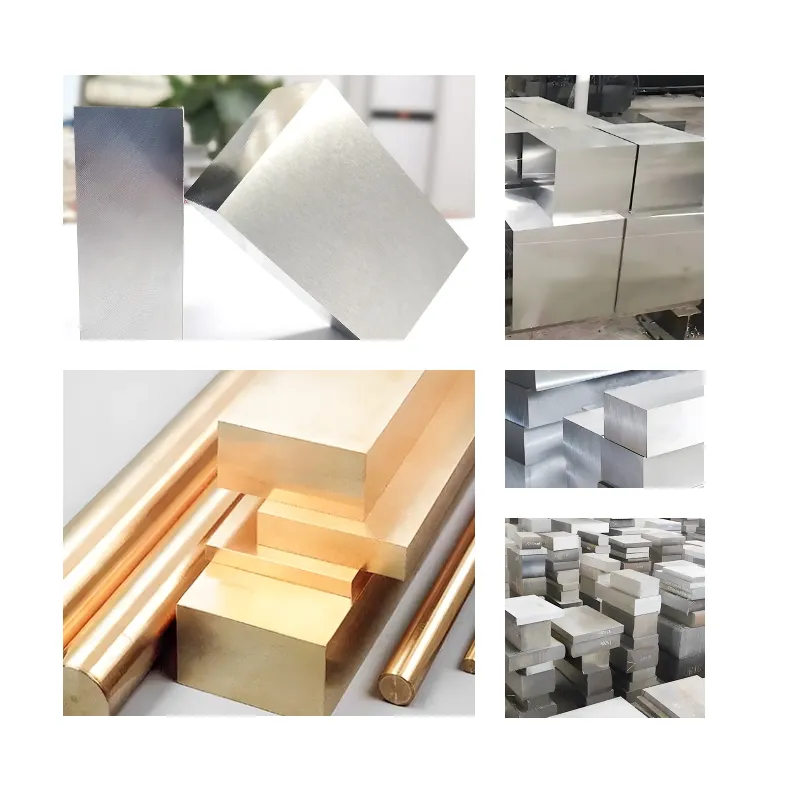
This knowledge base covers internationally standardized steels commonly used in mold manufacturing. You will gain a comprehensive understanding of each mold material’s basic usage scenarios, processability, price, and service life. If you are interested in a specific material, you can try clicking the link below it to access detailed in-depth material analysis.
Aluminum 6061
Key Characteristics
High strength-to-weight ratio, excellent machinability, corrosion resistance, good weldability
Best For Prototypes
Automotive brackets, structural prototypes, aerospace components, electronic enclosures
Stainless Steel 316L
Key Characteristics
Excellent corrosion resistance, high temperature resistance, biocompatibility, good toughness
Best For Prototypes
Medical devices, marine components, chemical processing equipment, food processing machinery
Brass C360
Key Characteristics
Excellent machinability, high electrical conductivity, corrosion resistance, attractive finish
Best For Prototypes
Valves, fittings, electrical connectors, decorative components, musical instruments
Titanium Grade 5
Key Characteristics
Exceptional strength-to-weight ratio, corrosion resistance, biocompatibility, high temperature performance
Best For Prototypes
Aerospace parts, medical implants, marine applications, high-performance automotive components
Copper C110
Key Characteristics
Superior electrical and thermal conductivity, corrosion resistance, malleability
Best For Prototypes
Electrical components, heat sinks, plumbing fittings, decorative elements
Steel 1018
Key Characteristics
Good machinability, moderate strength, weldable, cost-effective, uniform properties
Best For Prototypes
Machined parts, structural components, fasteners, automotive parts, tooling fixtures