Professional Rapid Prototyping Services
Logell Mold provides 3D printing prototping, rapid injection molding, rapid tooling making, CNC prototyping and vacuum casting service for global market.
An NDA can be signed if needed before the quotation.
Main Rapid Prototyping Services At Logellmold
As an ISO 9001-certified manufacturing partner, Logell Mold has a wide variety of rapid prototyping processes. We can achieve stable production and excellent surface quality.
CNC Prototype Service
Rapid Injection Molding
3D Printing Service
Vacuum Casting Service
How to Choose Your Rapid Prototyping Process
You need to clarify the quantity of samples you need. You should also confirm your requirements for materials, precision and lead time. In addition, you need to know what the samples will be used for.
| Process | Recommended Quantity | Typical Materials | Accuracy (±mm) | Lead Time | Advantages | Limitations | Recommended Applications |
| 3D Printing | 1-5 pcs | Photosensitive Resin, Nylon, ABS-like Resin, etc. | 0.1 – 0.2 | 1 – 3 days | Fast speed, can create complex geometries | Limited material choices, lower strength | Visual validation, Concept models, Initial fit tests |
| CNC Machining | 1-20 pcs | Metals (Alu, Copper, Steel), Plastics (ABS, POM, PC) | 0.01 – 0.05 | 3 – 7 days | High precision, uses real materials, good strength | Limited internal complex structures, cost rises with complexity | Functional testing, Metal parts, High precision requirements |
| Rapid Tooling + Rapid IM | 100 – 1000 pcs | Standard Plastics (ABS, PP, PC, Nylon, etc.) | 0.1 – 0.3 | 7 – 15 days | Close to mass production process, real material testing | Limited mold life (hundreds to thousand shots), costly to modify | Pilot production, Market testing, Functional validation |
| Vacuum Casting | 10 – 50 pcs | Polyurethane (Simulates ABS, PP, Rubber) | 0.15 – 0.3 | 5 – 10 days | Low cost for small batches, feels like real molded parts | Short mold life (approx. 20-30 pcs), non-standard materials | Small batch appearance parts, Exhibition samples, Pre-trial use |
Rapid Prototyping Service Material Library
Over the past six years,Logell Mold has worked with its clients on more than 100 types of rapid prototyping materials.
Common Machinable Materials for Rapid Prototyping
Aluminum 6061
Key Characteristics
High strength-to-weight ratio, excellent machinability, corrosion resistance, good weldability
Best For Prototypes
Automotive brackets, structural prototypes, aerospace components, electronic enclosures
Stainless Steel 316L
Key Characteristics
Excellent corrosion resistance, high temperature resistance, biocompatibility, good toughness
Best For Prototypes
Medical devices, marine components, chemical processing equipment, food processing machinery
Brass C360
Key Characteristics
Excellent machinability, high electrical conductivity, corrosion resistance, attractive finish
Best For Prototypes
Valves, fittings, electrical connectors, decorative components, musical instruments
Titanium Grade 5
Key Characteristics
Exceptional strength-to-weight ratio, corrosion resistance, biocompatibility, high temperature performance
Best For Prototypes
Aerospace parts, medical implants, marine applications, high-performance automotive components
Copper C110
Key Characteristics
Superior electrical and thermal conductivity, corrosion resistance, malleability
Best For Prototypes
Electrical components, heat sinks, plumbing fittings, decorative elements
Steel 1018
Key Characteristics
Good machinability, moderate strength, weldable, cost-effective, uniform properties
Best For Prototypes
Machined parts, structural components, fasteners, automotive parts, tooling fixtures
ABS
Key Characteristics
Good impact resistance, rigid, machinable, easy to fabricate, cost-effective
Best For Prototypes
Consumer products, enclosures, automotive interior parts, toys, electronic housings
PEEK
Key Characteristics
High temperature resistance, chemical resistance, excellent mechanical properties, biocompatible
Best For Prototypes
Aerospace components, medical devices, oil and gas equipment, high-performance machinery
Nylon 6/6
Key Characteristics
High strength, wear resistance, good fatigue resistance, chemical resistance
Best For Prototypes
Gears, bearings, fasteners, structural components, automotive parts
PTFE (Teflon)
Key Characteristics
Extremely low friction, chemical resistance, high temperature resistance, non-stick properties
Best For Prototypes
Bearings, seals, gaskets, chemical processing equipment, cookware components
PC (Polycarbonate)
Key Characteristics
High impact resistance, optical clarity, heat resistance, dimensional stability
Best For Prototypes
Safety glasses, medical devices, automotive lighting, electronic enclosures, bulletproof glass
POM (Acetal)
Key Characteristics
Low friction, high stiffness, dimensional stability, good machinability
Best For Prototypes
Gears, bearings, valves, pump components, precision machined parts
Silicone Rubber
Key Characteristics
Wide temperature range, biocompatibility, chemical resistance, flexibility, UV resistance
Best For Prototypes
Medical devices, seals, gaskets, kitchenware, automotive components
NBR (Nitrile Rubber)
Key Characteristics
Oil resistance, fuel resistance, good mechanical properties, cost-effective
Best For Prototypes
Seals, gaskets, hoses, O-rings, automotive components, industrial equipment
EPDM Rubber
Key Characteristics
Weather resistance, ozone resistance, chemical resistance, good insulation properties
Best For Prototypes
Automotive weatherstripping, roofing membranes, seals, gaskets, electrical insulation
PU (Polyurethane)
Key Characteristics
High abrasion resistance, flexibility, load-bearing capacity, chemical resistance
Best For Prototypes
Rollers, bumpers, gaskets, footwear, industrial wheels, coatings
Epoxy Resin
Key Characteristics
High strength, chemical resistance, excellent adhesion, dimensional stability
Best For Prototypes
Composite materials, adhesives, coatings, electronic encapsulation, tooling
Urethane Resin
Key Characteristics
Impact resistance, flexibility, abrasion resistance, castable
Best For Prototypes
Cast parts, molds, prototypes, industrial components, decorative items
Premium Surface Finishes for Rapid Prototyping
Generally, the surface finish for our rapid prototype parts is selected based on the customer’s requirements. If there are no special requests, we use the ‘as machined’ finish
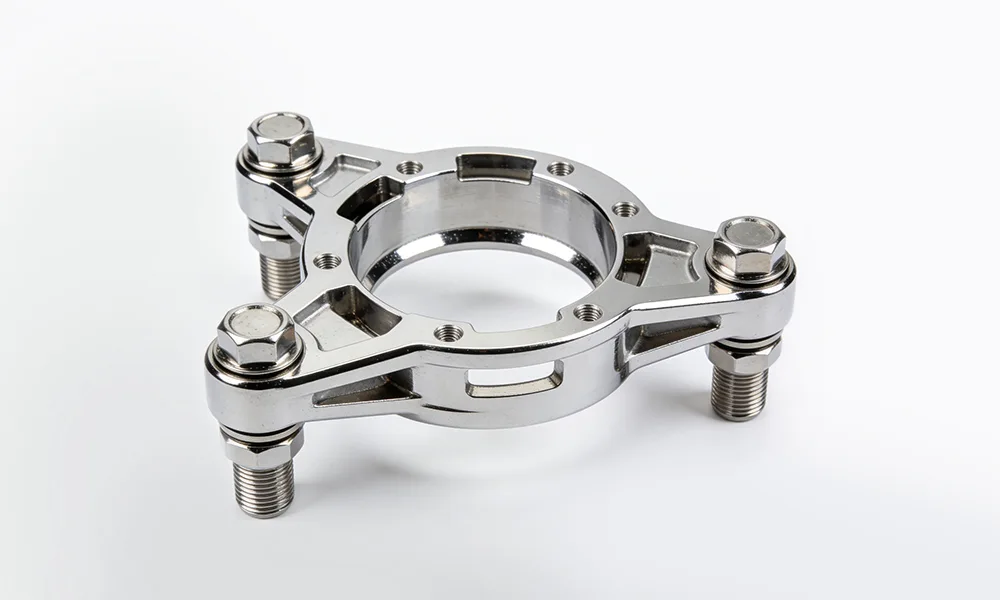
Polishing
The surface of the part transitions from rough to smooth and refined. For transparent materials, the clarity increases significantly after polishing.
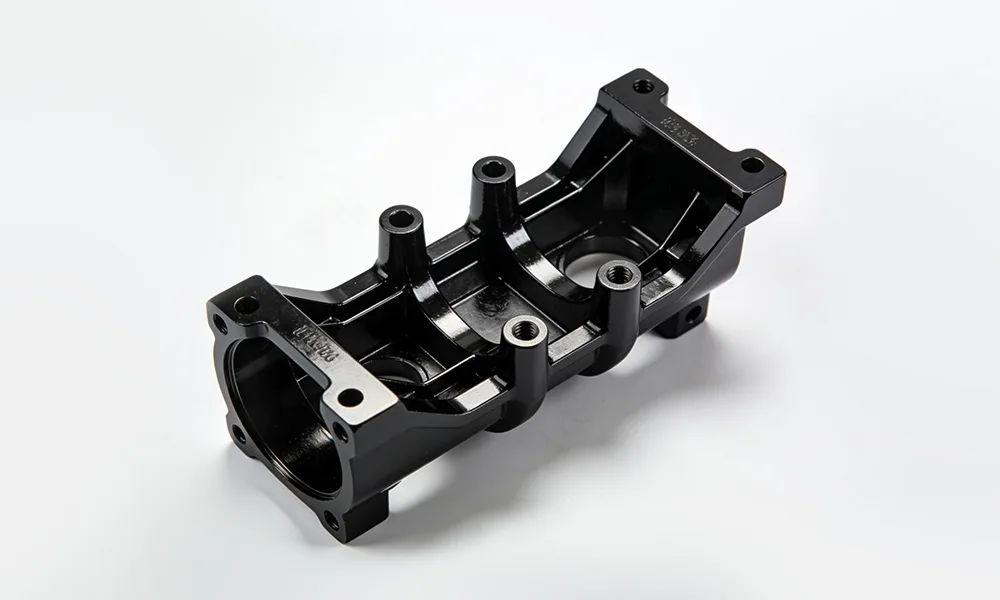
Chemical Smoothing
This nearly eliminates visible layer lines, leaving a smooth surface with a natural luster. Surface roughness can be reduced by more than 80%.
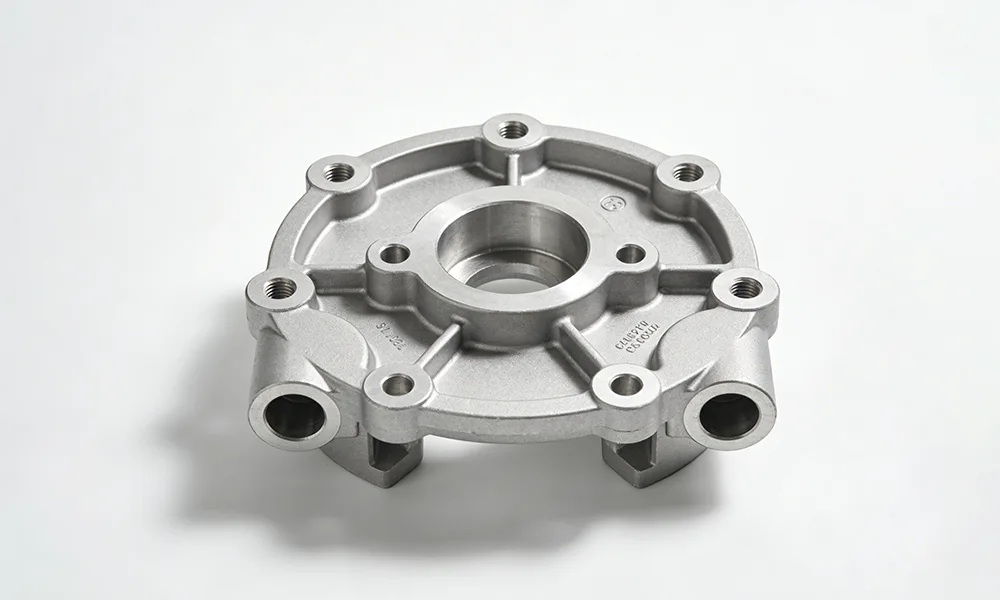
Sandblasting
This removes tooling marks, resulting in a uniform, non-reflective matte finish or an even satin finish with a smooth, delicate texture.
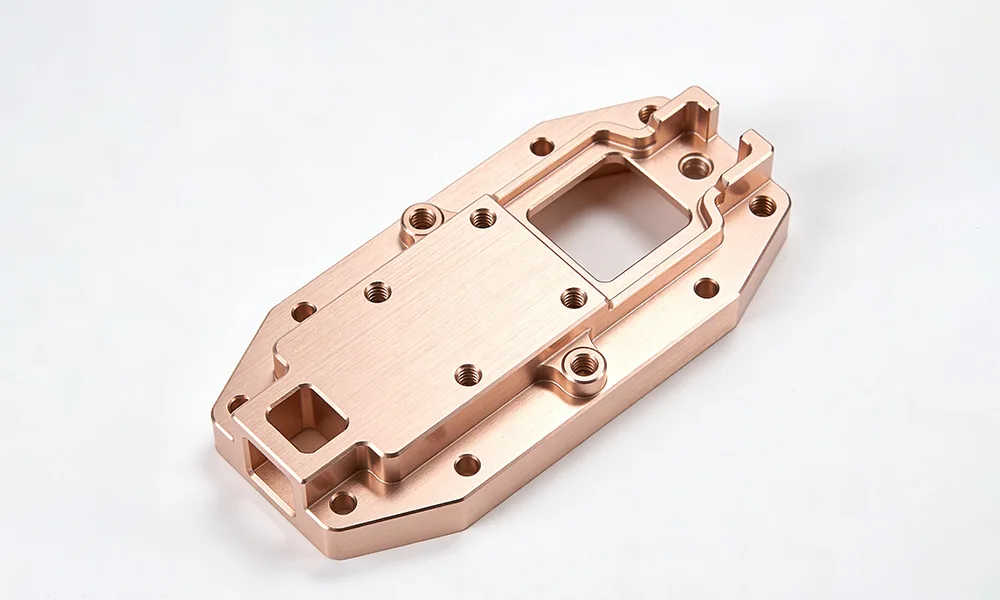
Brushed Finish
This gives your metal prototype a surface with regular, fine lines (either straight or a random, swirling pattern) and also helps hide minor scratches.
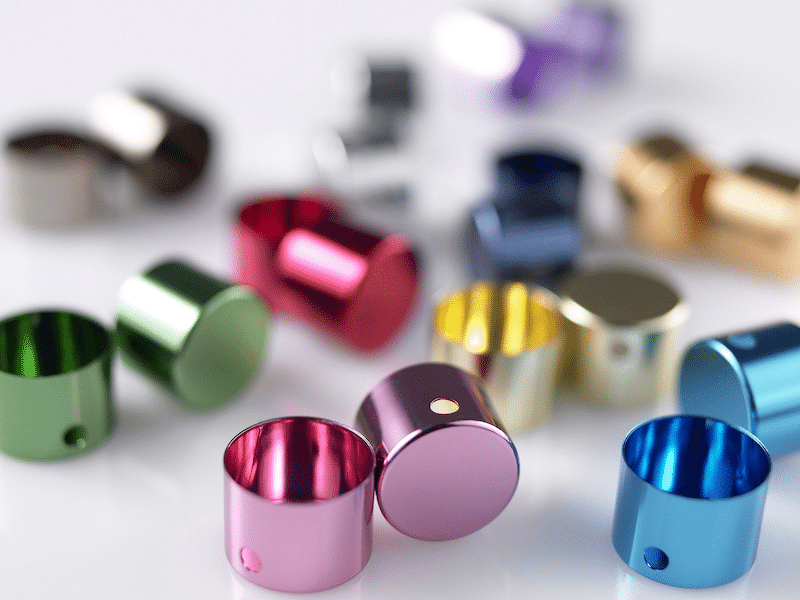
Anodizing
This creates a protective layer that can be dyed in a wide variety of colors, available in either glossy or matte finishes.
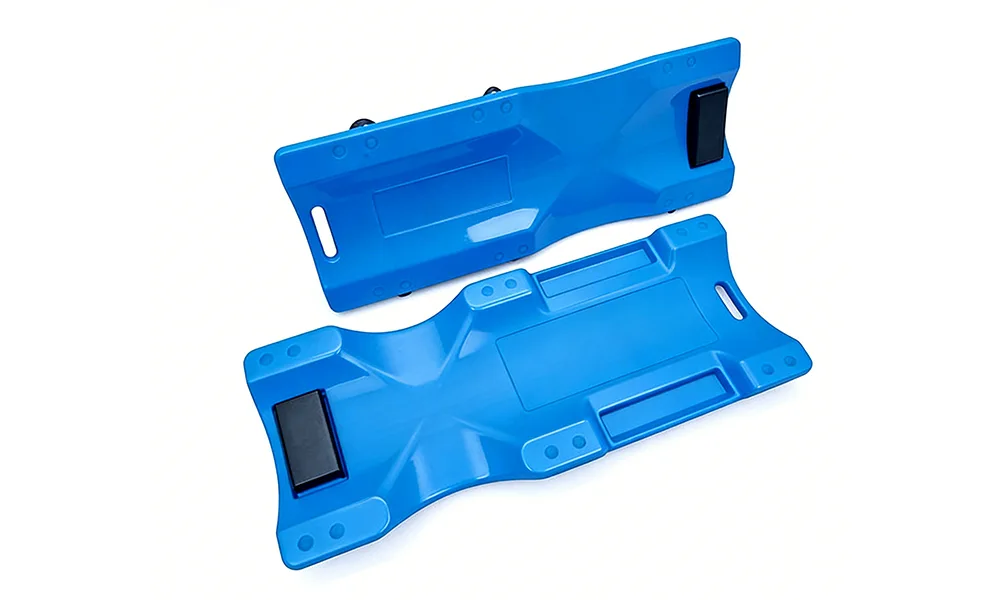
Spray Painting
This covers the base color and surface imperfections, allowing you to achieve any color and various special textures, such as a leather-like texture or a soft-touch rubber-like feel.
Rapid Prototyping Solutions for Your Industry
Based on our customer data over the past decade, the top industries for our rapid prototyping services have been the automotive industry, consumer electronics, medical devices, aerospace, industrial equipment, cultural and creative products, and the construction industry.
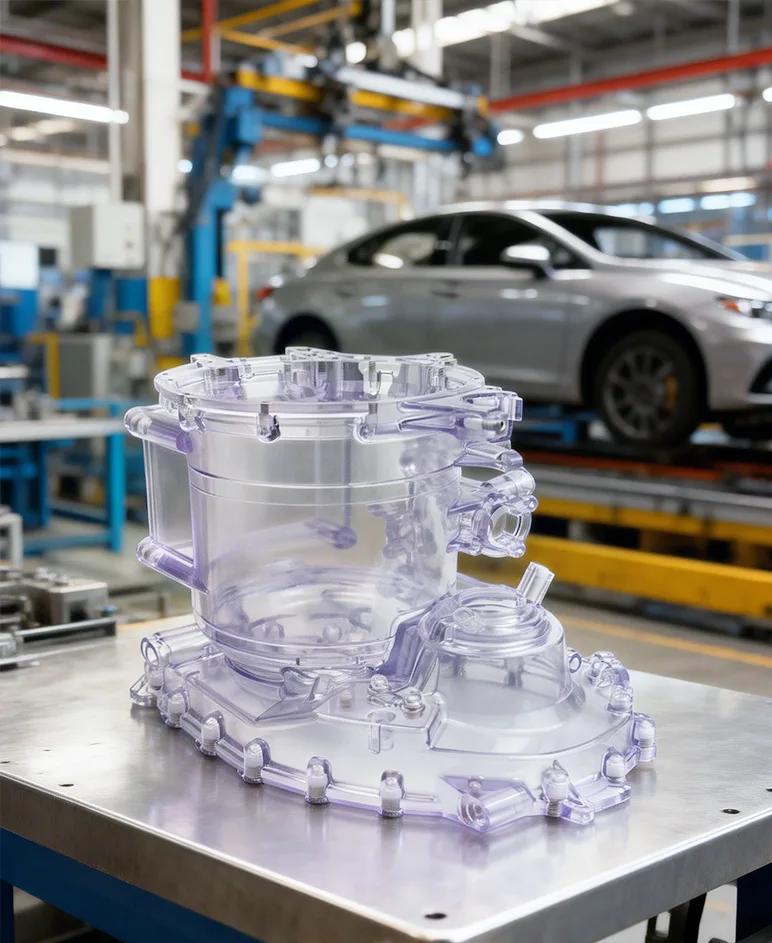
Automotive Rapid Prototyping
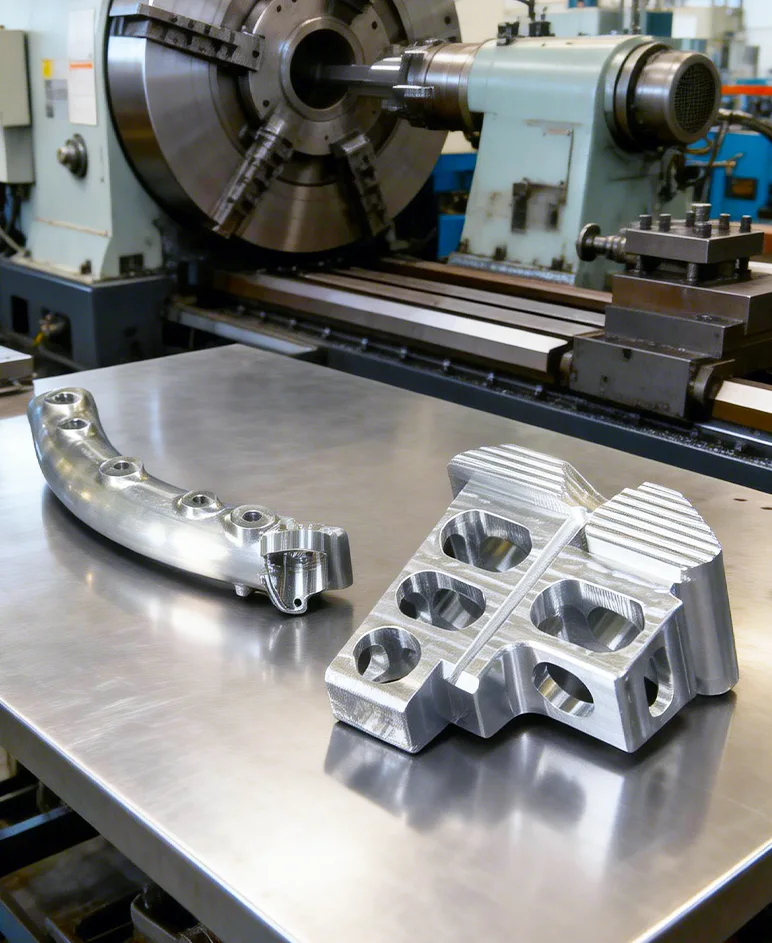
Prototyping For Industrial Tools
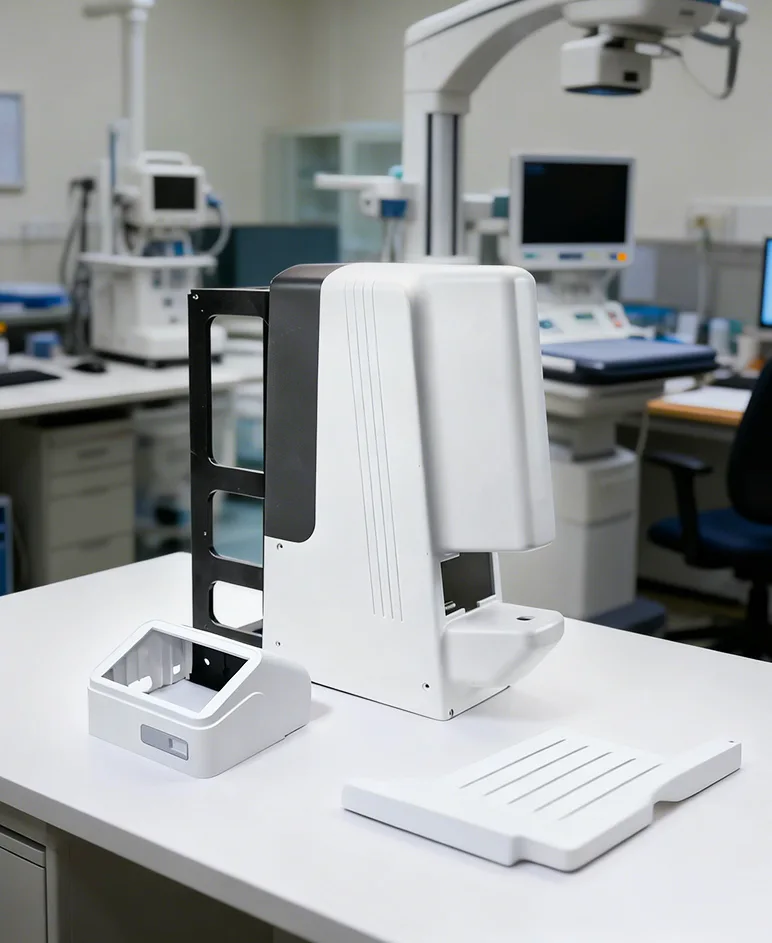
Medical Device Prototyping
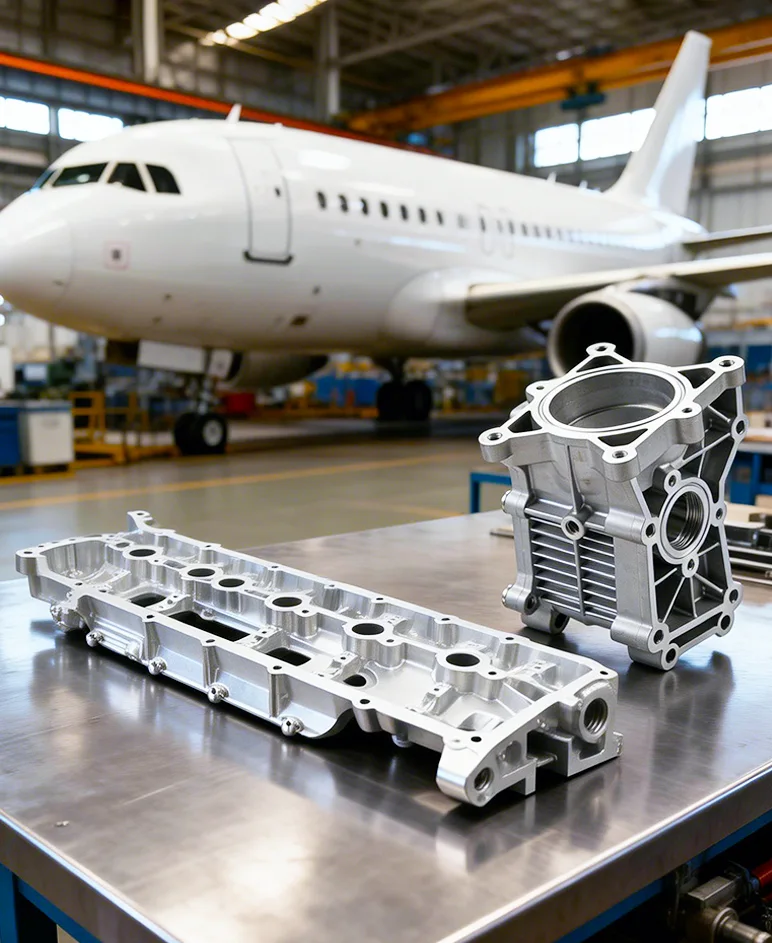
Aerospace Rapid Prototyping
Our Rapid Prototyping Cases
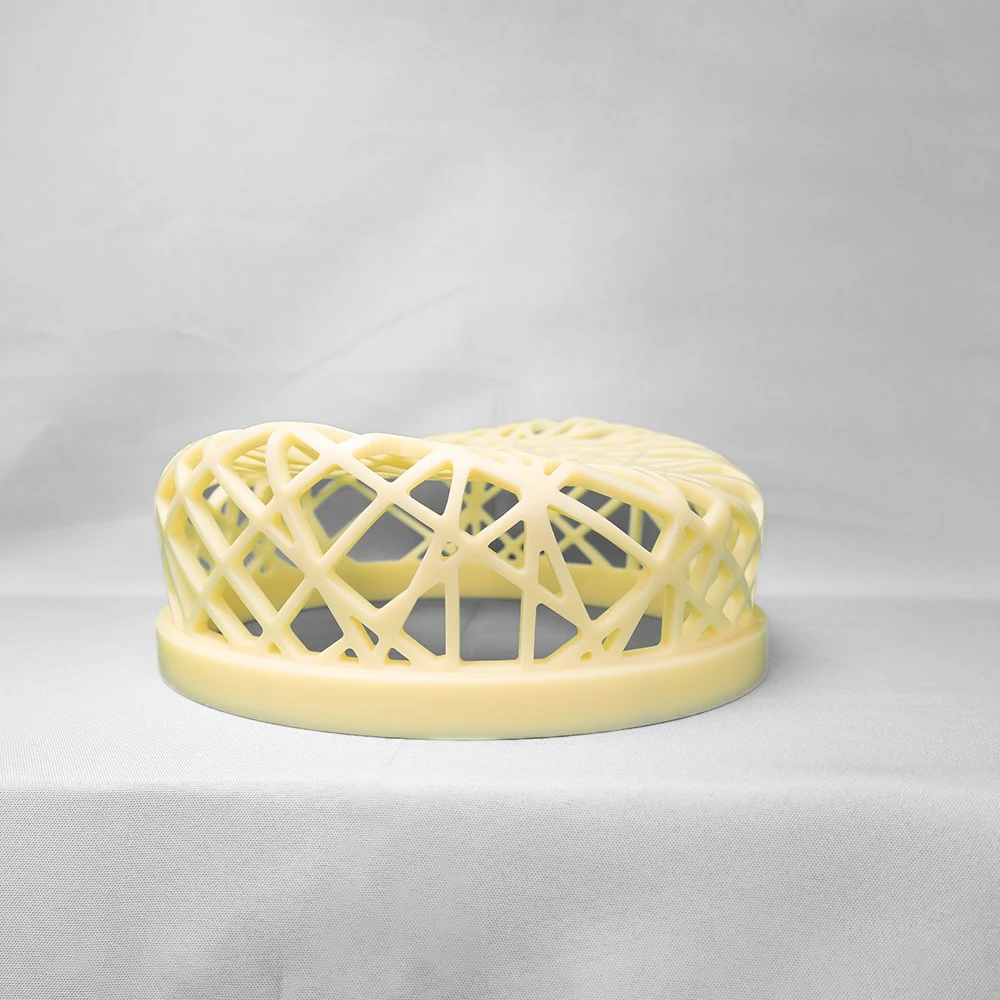
Craft prototype of the famous Beijing Bird’s Nest
This ABS material prototype was made using five-axis CNC machining and ended up with an electroplated surface finish.
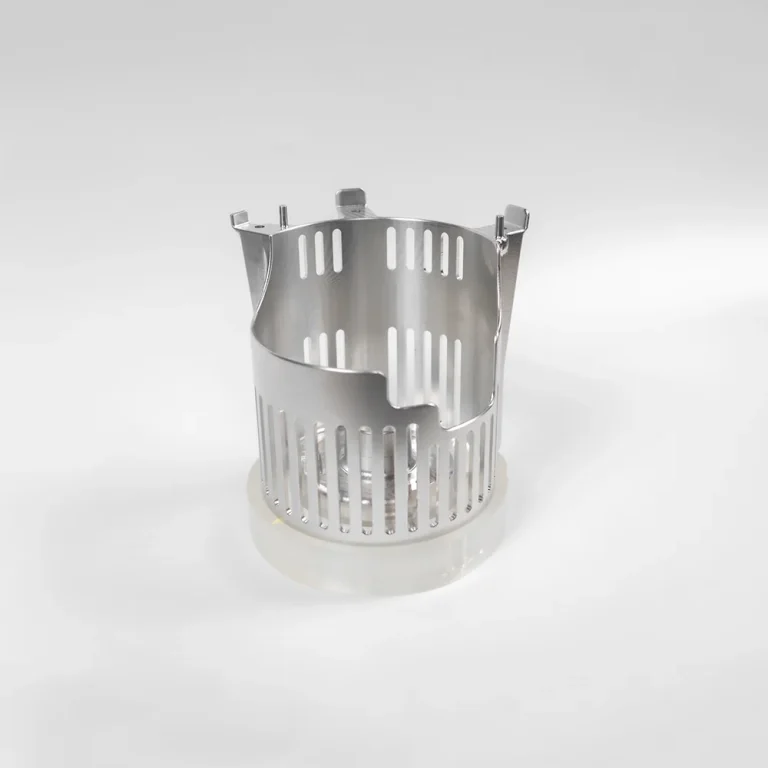
CNC Prototype Steel Ventilated Heat Sink
The heat shield cover made with five-axis CNC machining, without any surface treatment.
Why Choose Us As Your Prototyping Supplier
Our goal has always been to have zero complaints from customers.
Proactive DFM Feedback
Data-Backed Quality & Tolerances
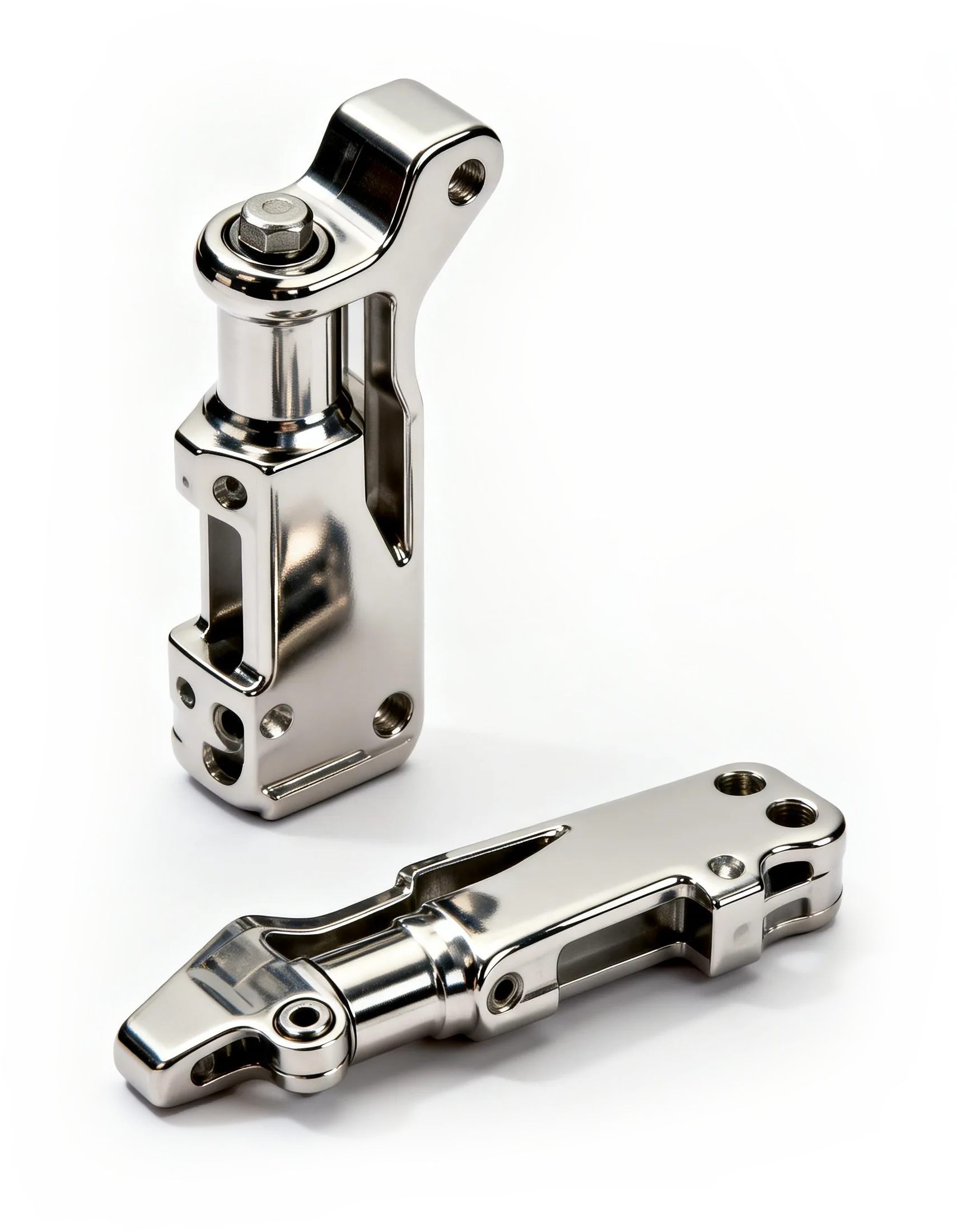
Smooth handover to small-batch production
Strict NDA & IP Protection
FAQ For Rapid Prototyping Services

What is the pricing standard for Logell Mold’s rapid prototyping services?
For CNC and vacuum casting, we mainly decide the price based on the part size, machining time, and material waste.
For rapid tooling and injection molding, the price depends on the part size, tooling structure, and the estimated tool life (number of shots), plus the material.
For 3D printing, we determine the price based on the part volume, support structures, and the machine type (industrial-grade SLA, SLS, or FDM).
How long will it take to receive a prototyping quote?
For any process, our manual quotes usually take one day. If it falls on a weekend or other special cases, it may take up to 48 hours.
A manual quote is more accurate. If you prefer a rough estimate first, you can use our price calculator (available for tooling, injection molding, and CNC machining).
Can you provide small-batch production after prototype validation?
Yes, we can. Our service supports the journey “from prototype to production.”
After you approve the prototype, we recommend using our factory for small-batch production. You can choose vacuum casting or CNC
machining for 10 to 100 units. For medium volumes (100 to 5,000 units), we recommend rapid injection molding.
After you approve the prototype, we recommend using our factory for small-batch production. You can choose vacuum casting or CNC
machining for 10 to 100 units. For medium volumes (100 to 5,000 units), we recommend rapid injection molding.
Is there a minimum order quantity for prototypes?
Since we are a rapid prototyping service provider, we certainly have no minimum order quantity (MOQ) requirements.
What CAD file formats do you accept?
We recommend you use STP (STEP) or IGS file formats. These formats preserve the original surface data best and are less likely to have missing surfaces. We also support STL, X_T, SLDPRT, and other formats.
If you only have 2D drawings, we recommend that you obtain 3D drawings before working with us. Our company currently does not provide modeling or product design and development services.
If you only have 2D drawings, we recommend that you obtain 3D drawings before working with us. Our company currently does not provide modeling or product design and development services.
What are the standard tolerances for different rapid prototyping processes at Logell Mold?
For CNC parts, we follow the ISO-2768-M standard. The typical tolerance is ±0.127mm (±0.005″). For extreme precision, we can achieve tolerances of ±0.0254mm (±0.001″).
For 3D printing (SLA/SLS), the typical tolerance is ±0.127mm (±0.005″).
For injection molded parts, we strictly follow the DIN-7168-M standard. The typical tolerance is ±0.1mm (±0.004″). Under extreme precision conditions (depending on the mold), injection molding tolerances can reach ±0.05mm (±0.002″).
For 3D printing (SLA/SLS), the typical tolerance is ±0.127mm (±0.005″).
For injection molded parts, we strictly follow the DIN-7168-M standard. The typical tolerance is ±0.1mm (±0.004″). Under extreme precision conditions (depending on the mold), injection molding tolerances can reach ±0.05mm (±0.002″).
If design modifications are needed after prototype testing, will the cost of a revised quote be high?
Not exactly.
If the design changes involve minor dimensional adjustments or local modifications, we usually provide a revised quote for free. We only charge for the extra machining time or material cost. If the design changes involve a major structural overhaul, we will issue a new quote based on the new design complexity.
If the design changes involve minor dimensional adjustments or local modifications, we usually provide a revised quote for free. We only charge for the extra machining time or material cost. If the design changes involve a major structural overhaul, we will issue a new quote based on the new design complexity.
Will you provide suggestions on my 3D design?
After we receive your drawings, our team will conduct a DFM (Design for Manufacturing) analysis during a project meeting.
If we find issues such as unsupported structures, fragile thin walls, insufficient draft angles, or assembly interference, we will proactively include a “Design Optimization Proposal” with the quote. This helps you avoid later trial-and-error costs.
If we find issues such as unsupported structures, fragile thin walls, insufficient draft angles, or assembly interference, we will proactively include a “Design Optimization Proposal” with the quote. This helps you avoid later trial-and-error costs.
Do your prototypes include comprehensive quality inspection reports?
After we receive your drawings, our team will conduct a DFM (Design for Manufacturing) analysis during a project meeting.
If we find issues such as unsupported structures, fragile thin walls, insufficient draft angles, or assembly interference, we will proactively include a “Design Optimization Proposal” with the quote. This helps you avoid later trial-and-error costs.
If we find issues such as unsupported structures, fragile thin walls, insufficient draft angles, or assembly interference, we will proactively include a “Design Optimization Proposal” with the quote. This helps you avoid later trial-and-error costs.