Plastic Injection Mold Making
Plastic injection mold making is a precision process for manufacturing custom injection molds. First Mold provides globally high-quality injection mold solutions with our advanced equipment and mold design team.
An NDA can be signed if needed before the quotation.
What is Injection Mold Manufacturing?
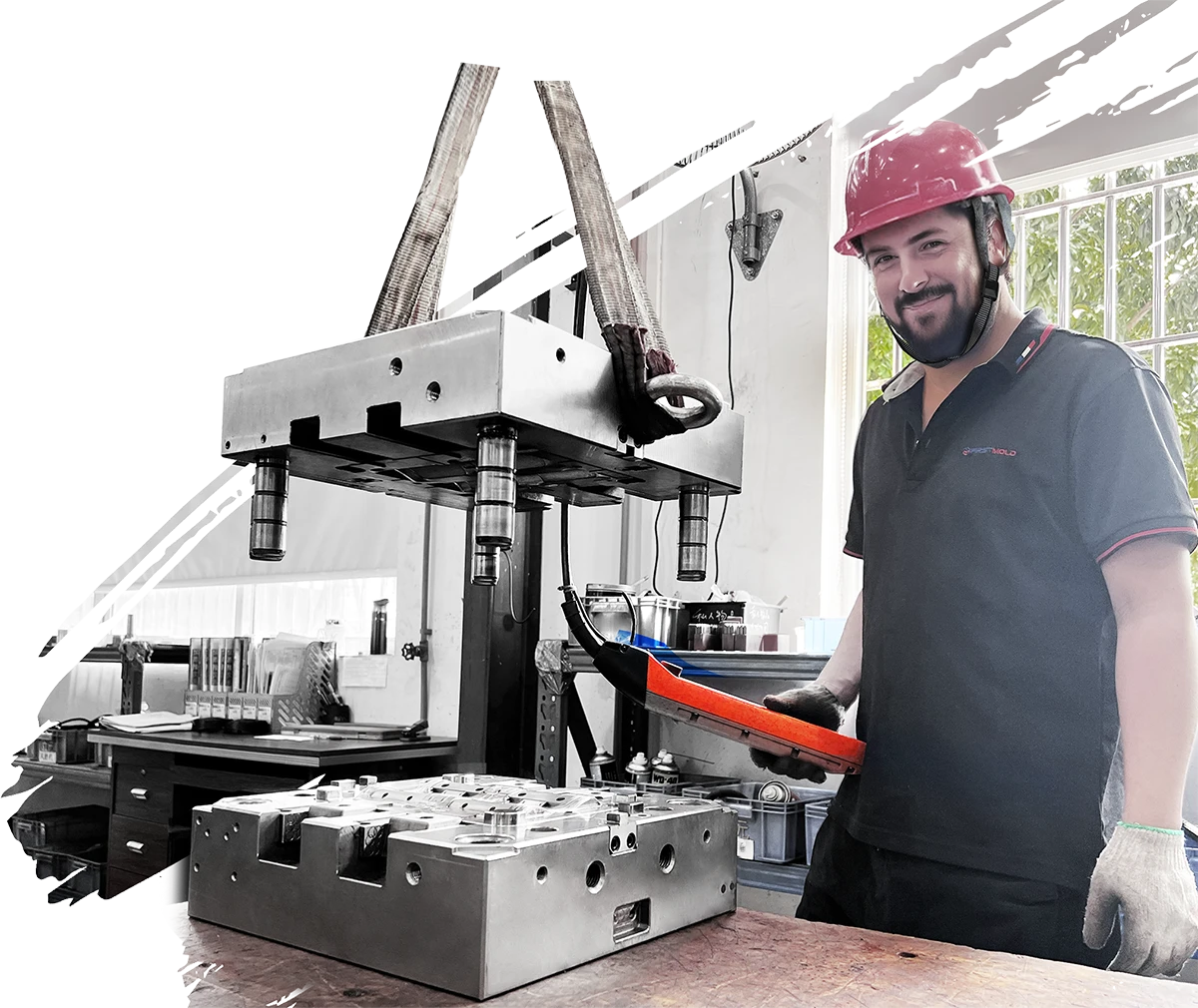
Injection mold manufacturing is a precision process that converts materials such as tool steel, pre-hardened steel, and aluminum alloys into customized molds through specialized machining and fabrication techniques. At its core, the goal is to leverage the unique properties of these materials to create durable, repeatable tools capable of producing high-precision plastic parts. This allows product designers to not only validate prototypes but also scale to mass production at a million-unit scale.
As the foundational step of the injection molding process, mold fabrication is an indispensable step in plastic part manufacturing, bridging design concepts to tangible, high-volume outputs.
As the foundational step of the injection molding process, mold fabrication is an indispensable step in plastic part manufacturing, bridging design concepts to tangible, high-volume outputs.
Mold Types
Types of Mold Manufacturing Services We Offer
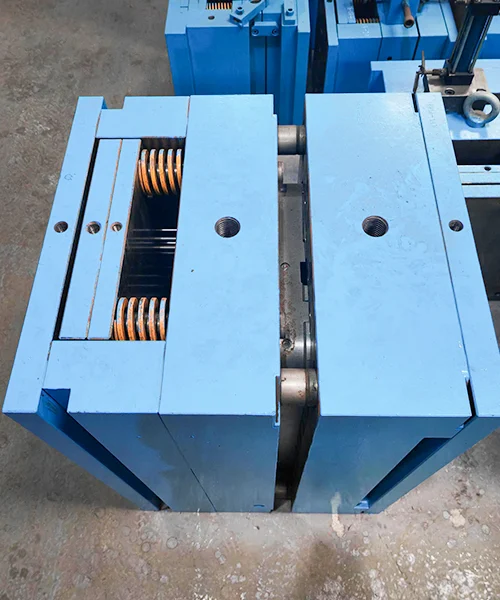
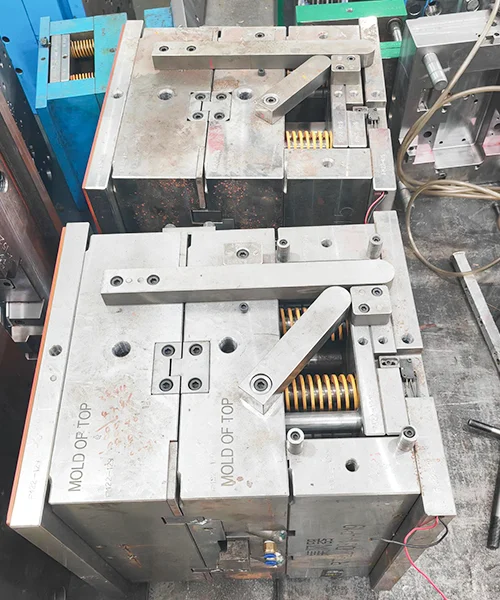
The injection molds we manufacture can be classified into several categories based on different criteria:
By Usage Frequency:
Rapid Tooling
Designed for quick, short-run productions, allowing for fast prototyping and testing.
Production Tooling
Built for long-term, high-volume manufacturing, ensuring durability and stability throughout the production process.
By Material:
Aluminum Molds
Preferred for their quicker machining time and lower cost, suitable for lower volume productions.
Steel Molds
Chosen for high-volume production due to their superior durability and longevity.
Beryllium Copper Molds
Utilized in specific parts of the mold that require unique properties, such as thermal conductivity, in beryllium copper alloyed molds.
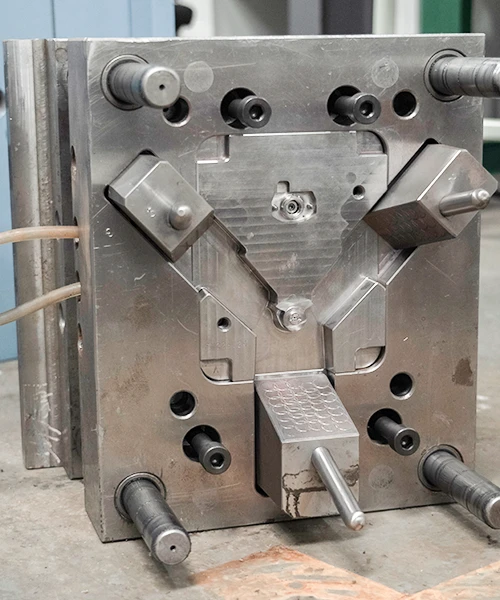
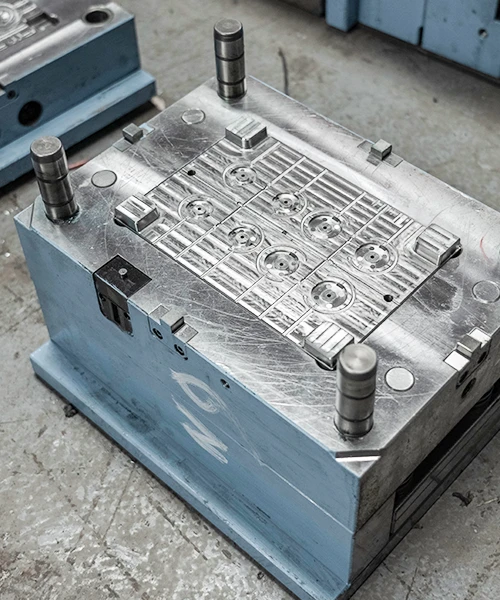
By Demolding Mechanism:
Two-Plate Molds
The simplest and most common type, where the mold splits into two halves to eject the part.
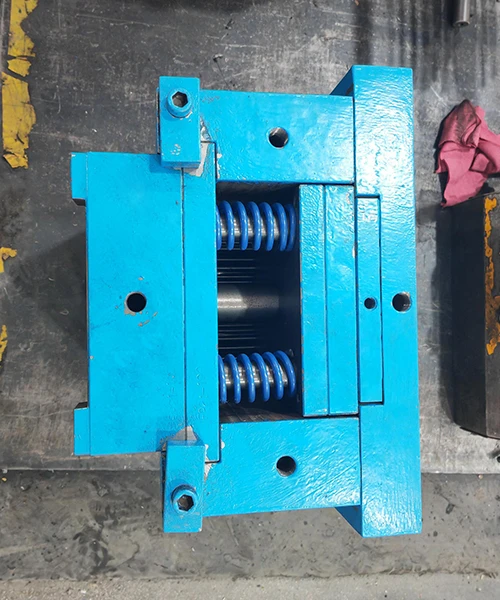
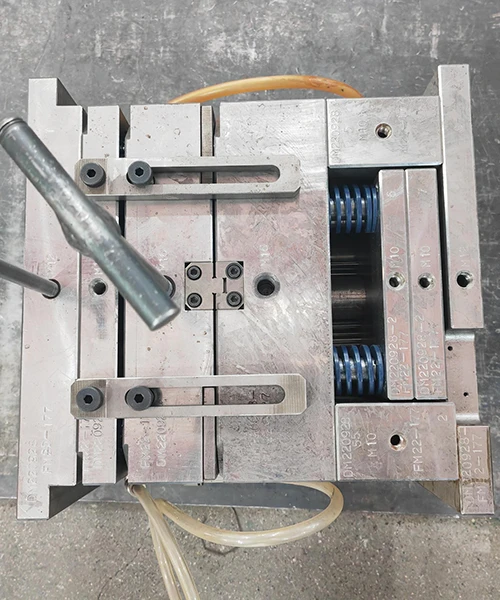
Three-Plate Molds
More complex, allowing for automatic demolding and the creation of more intricate parts, with an additional plate for runner and gate system separation.
Workflow of Mold Making Service
At Logell Mold, our systematic mold manufacturing workflow ensures precision-engineered solutions, typically structured into six key phases:
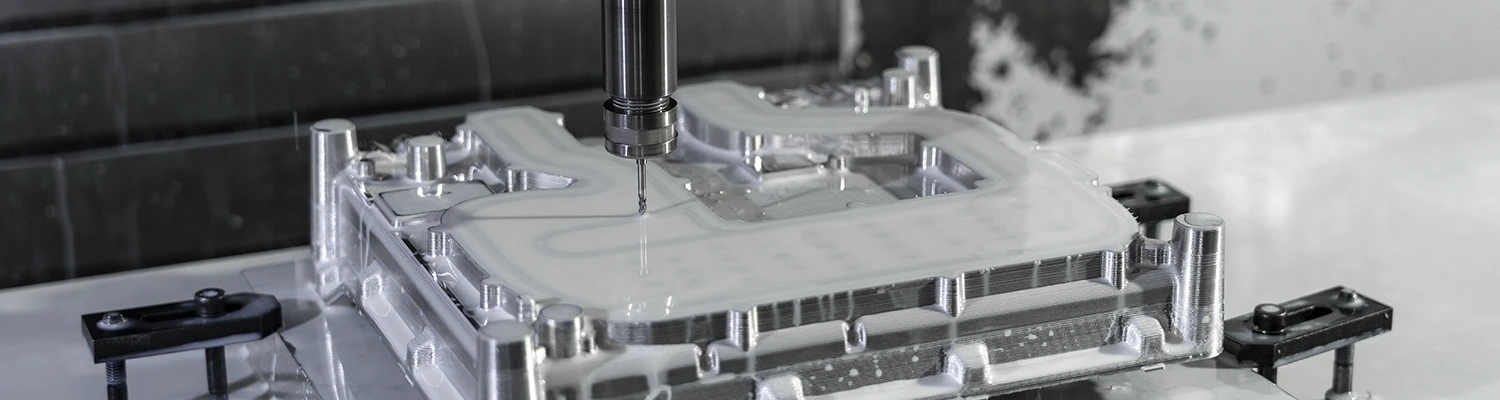
1. Product Analysis & Mold Design
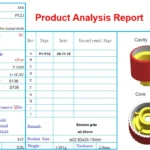
Based on the product’s structure, material, and customer requirements, First Mold conduct feasibility analysis and manufacturing feasibility assessment (MFA). Our mold designers then create detailed 3D CAD models and technical 2D engineering blueprints for all mold components.
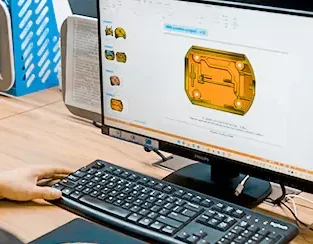
2. Mold Material Selection
We select materials (e.g., H13, NAK80,S136, P20 steel, aluminum alloys, beryllium copper) based on production volume, purpose, and budget. Heat treatment requirements for the mold are also pre-evaluated to enhance durability and longevity.
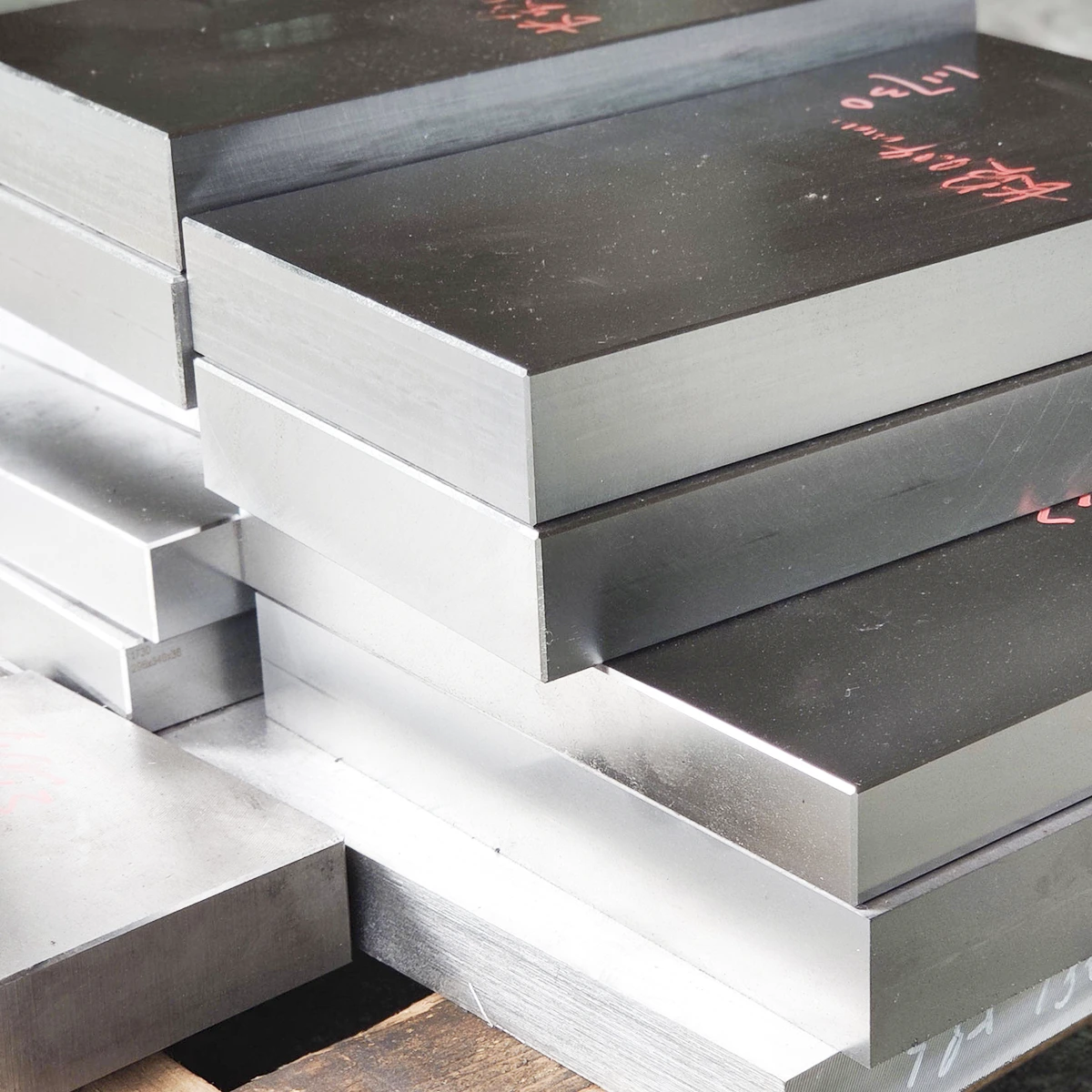
3. Precision Mold Machining
Components such as cavities and cores undergo rough cutting, high-precision milling, and surface treatment. Processes include CNC milling, electrical discharge machining (EDM), and precision wire-cutting technology
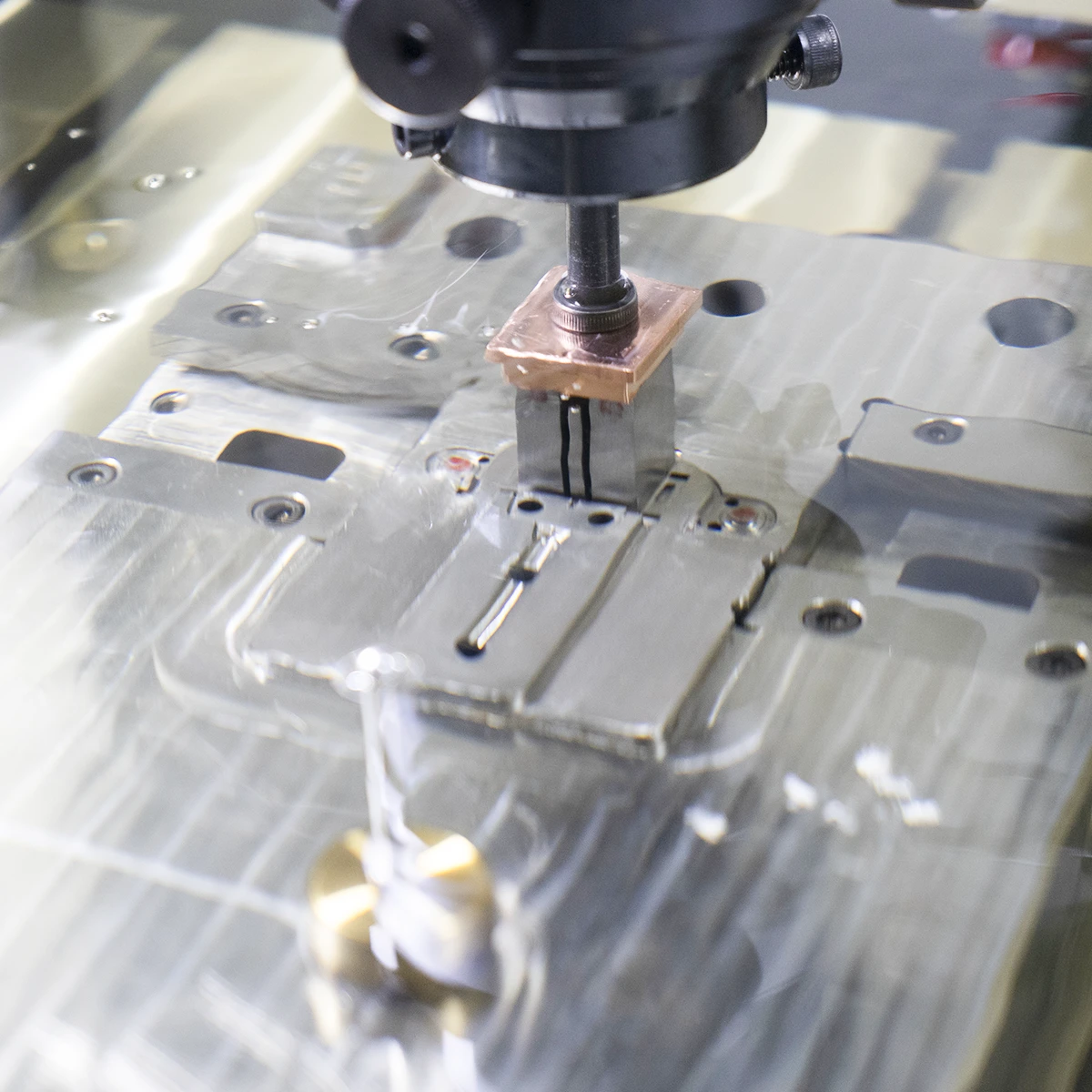
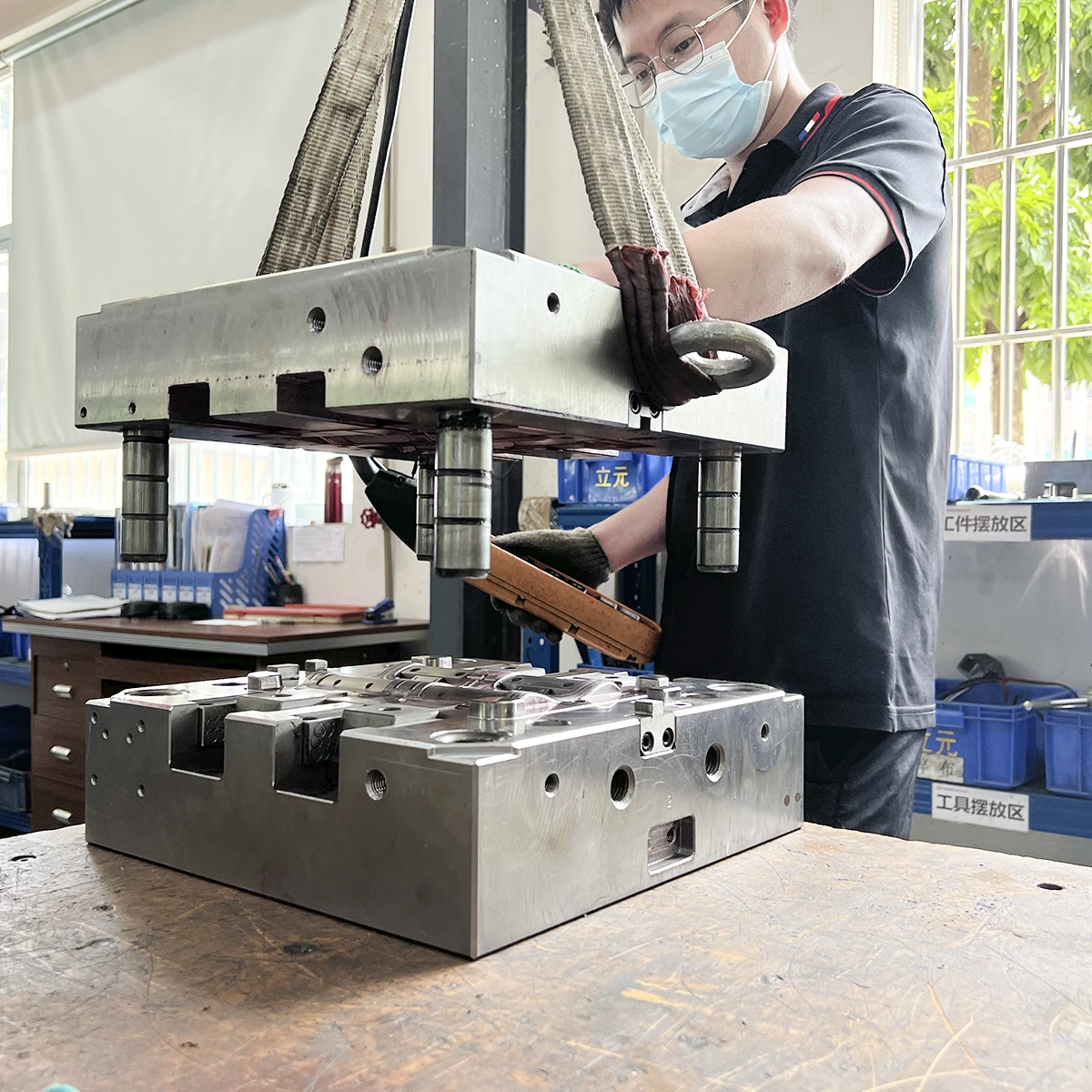
4. Mold Assembly and Debugging
We assemble mold parts with strict attention to tolerance control. Mold fitting tests and functional tests are performed to prevent defects during plastic injection molding production.
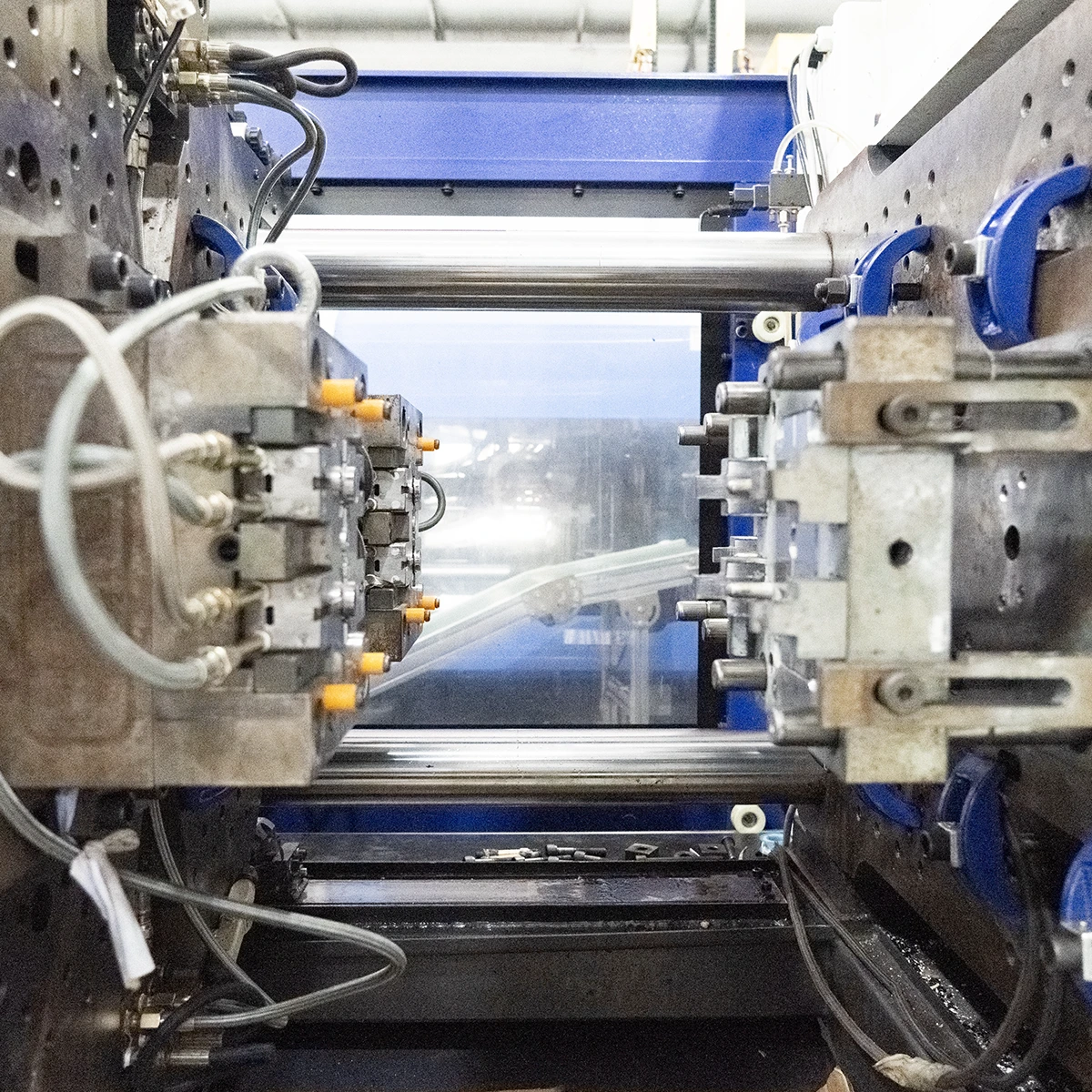
5. Trial Molding and Optimization
Trial runs are conducted on First Mold’s high-precision injection molding machines. Parameters are recorded, defects are analyzed, and the mold is optimized to ensure seamless production and part consistency.
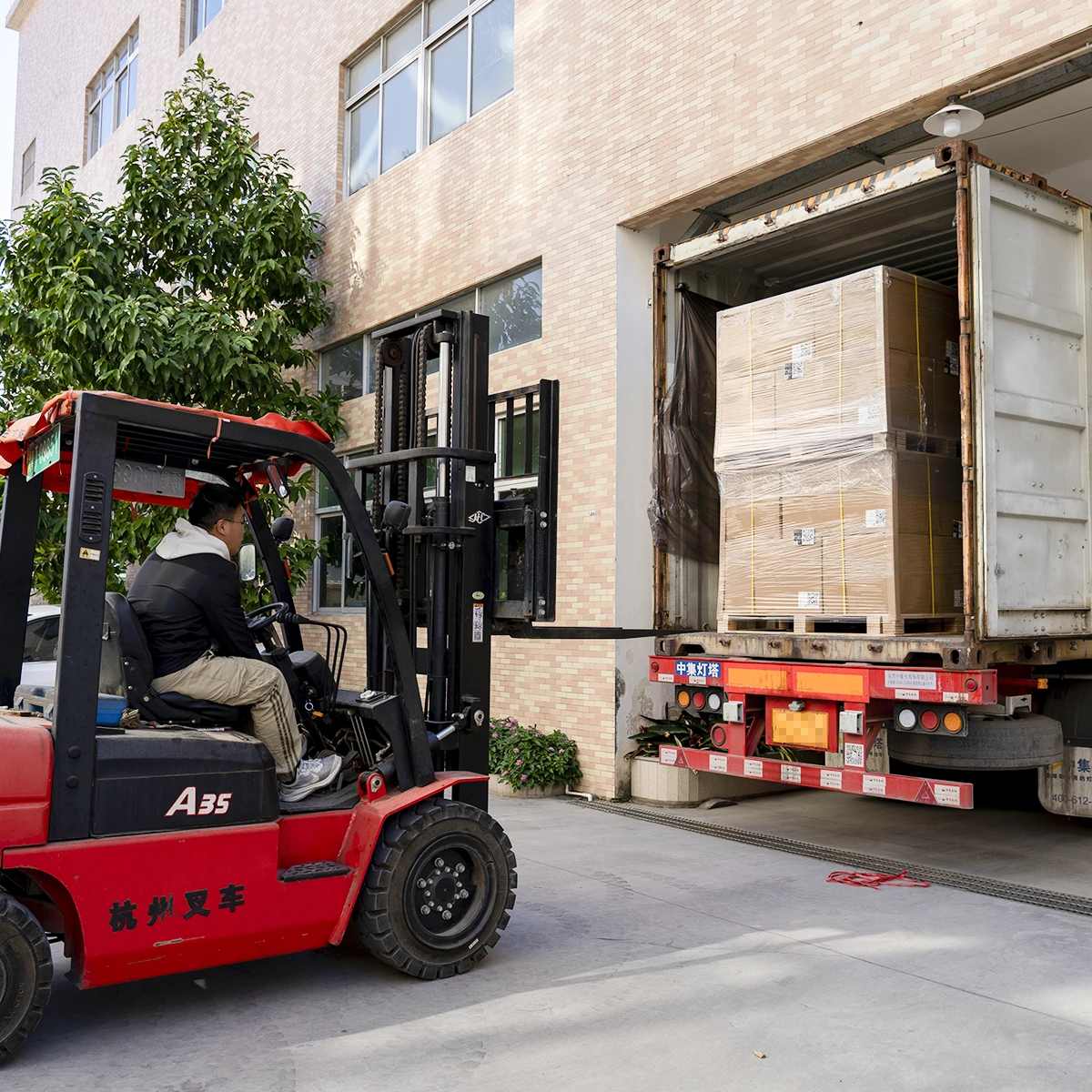
6. Mold Delivery and Acceptance
We determine whether to ship the high-quality mold to the customer based on their decision to proceed with mass production at First Mold or their own facility.
Before these processes begin you only need to upload your 3D design drawings. Our team will contact you shortly and hold a dedicated meeting to assess your project and issue an initial report
Case Studies
Injection Mold Solutions Applications
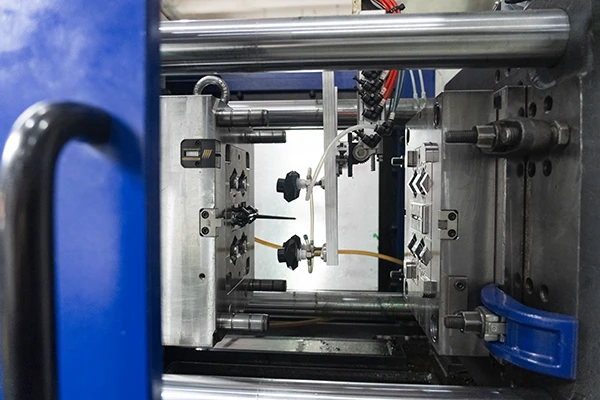
The ultimate goal of the injection mold making service is the production of injection-molded parts. The molds produced can either be used by the clients for their own injection molding production or entrusted to manufacturers for injection molding production.
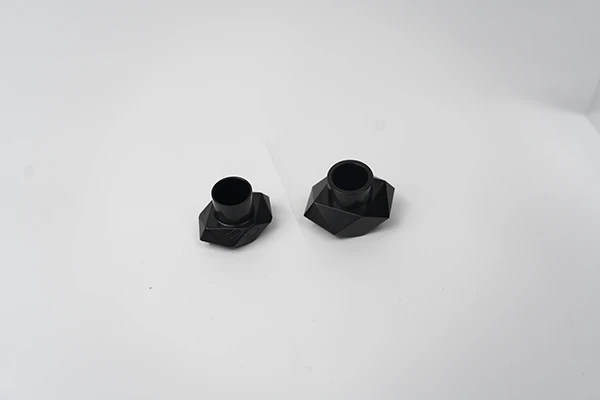
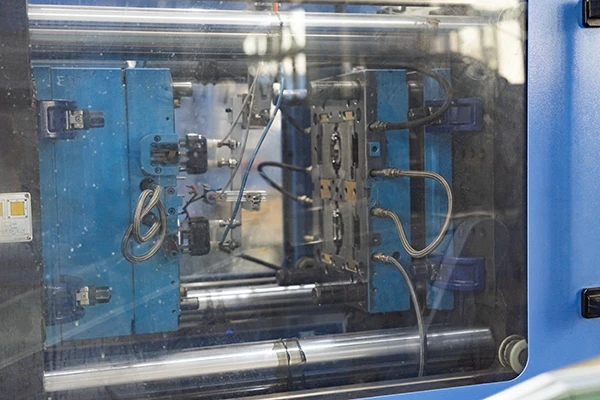
These two sets of images are molds used in the consumer goods industry and medical molds in their final application during production.
These two sets of images are molds used in the consumer goods industry and medical molds in their final application during production.

Why We Stand Out
In the manufacturing of injection molds, a quality injection molding factory should prioritize cost reduction for its clients. At Logell Mold, we fully understand this principle through our collaborations with customers. By implementing innovative strategies to optimize production efficiency and material usage, we consistently help clients lower manufacturing expenses.
Global Service Responsiveness
Case: Collaborative multinational delivery for a global consumer electronics brand
Highlights:
Highlights:
Technological Innovation & Efficiency Gains
Case: Radio housing injection mold optimization for a global appliance brand
Breakthroughs:
Breakthroughs:
Industry-Tailored Solutions
Case: Lightweight new material mold development for a UAV (drone) manufacturer
Innovations:
Innovations:
Rapid Delivery
Case: Emergency mass production of battery housing molds for a new energy vehicle manufacturer
Results:
Results:
Our Strength
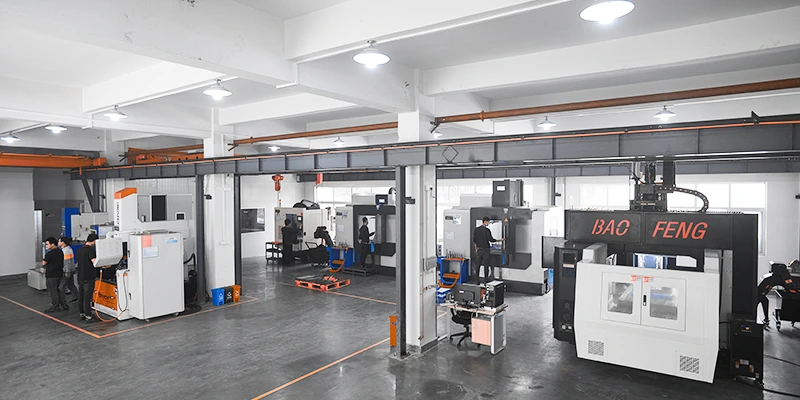
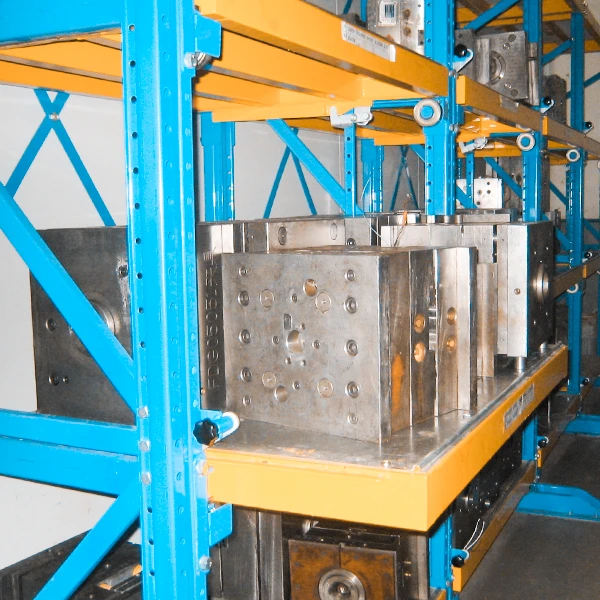
Injection mold making workshop and department
8+
CNC Machines
10+
EDM Machines
10+
Mills & Lathes
25+
Injection Molders
20+
Mold capacity/Monthly
50+
Instcompany employeealls
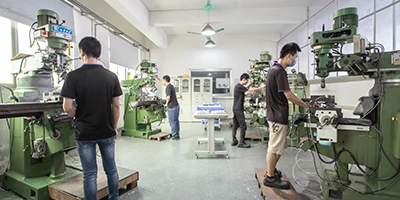
Advanced Mold Fabrication Techniques and Key Component Production
CNC centers execute micron-level machining (±0.005mm) for mold bases and core/cavity sets.
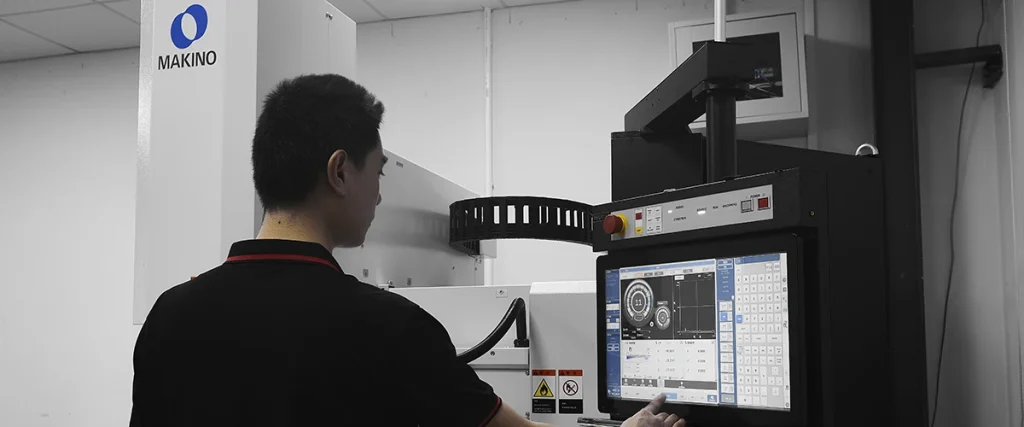
Multi-Axis CNC Machining Systems
Precision milling, turning & grinding for complex geometries
| High-speed milling of P20/S136 steel |
| Hard turning (HRC62+) for pre-hardened components |
| Surface grinding with <Ra0.2μm finish |
EDM (Electrical Discharge Machining)
Creating intricate details through controlled spark erosion
| Forming undercuts and micro-features (0.1mm tolerance) |
| Cutting hardened steels (up to HRC65) with ±0.002mm accuracy |
| 24-hour processing |
Integrated Surface Engineering
Combining polishing, texturing & coating
| Mirror polishing (SPI-A1 standard) |
| Custom textures (VDI 3400/VDA standards) |
| DLC/TiN coatings for wear resistance |
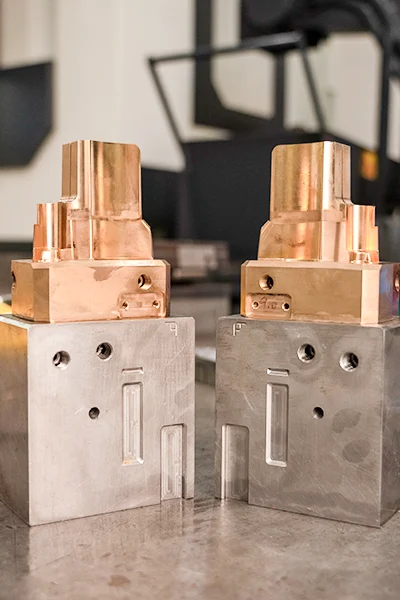
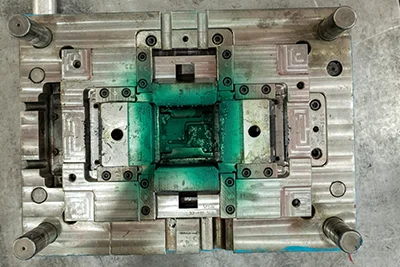
Advanced Mold Fabrication Techniques and Key Component Production
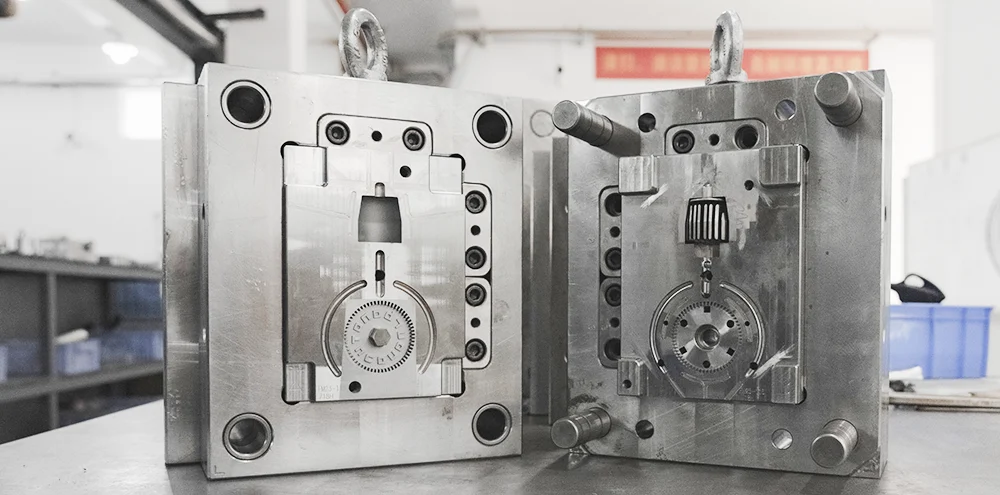
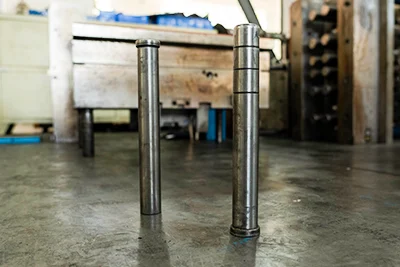
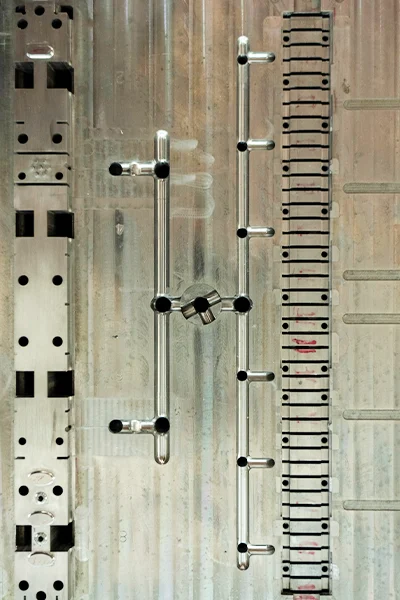
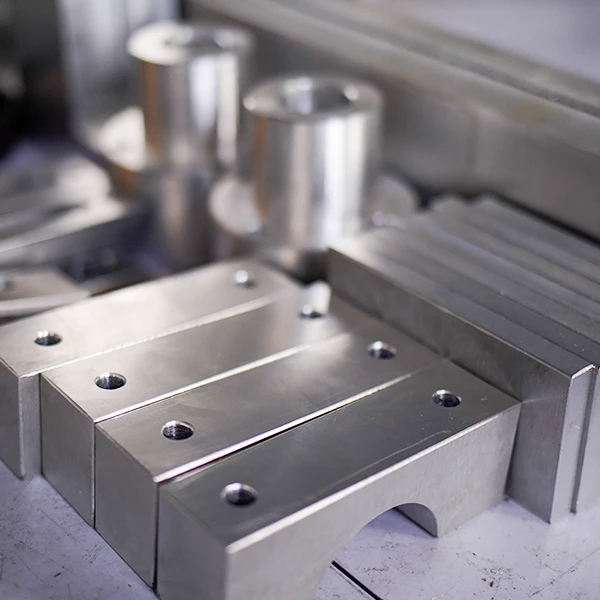
Our injection molds are typically fabricated using CNC machining or EDM (Electrical Discharge Machining) processes. The components made for these molds include:
Recommended Service
Injection Mold Solutions Applications
We focus on rapid tooling & mold manufacturing, striving to minimize lead times and logistics costs, and deliver disruptive solutions for businesses seeking speed, precision, and cost-effectiveness.
What Can We Do?
What Can We Do?
DFM
Mold Flow Analysis
Mold Design
Rapid Tooling Production
High-Volume Mold Manufacturing
Insert Molding Tools
Multi-Cavity Mold Solutions
Hot Runner Mold Systems
Aluminum Tooling
Texturing
Surface Finishing
Mold Design
Mold Maintenance
Mold Repair
Mold Refurbishment
Gate Design
Parting Line Optimization
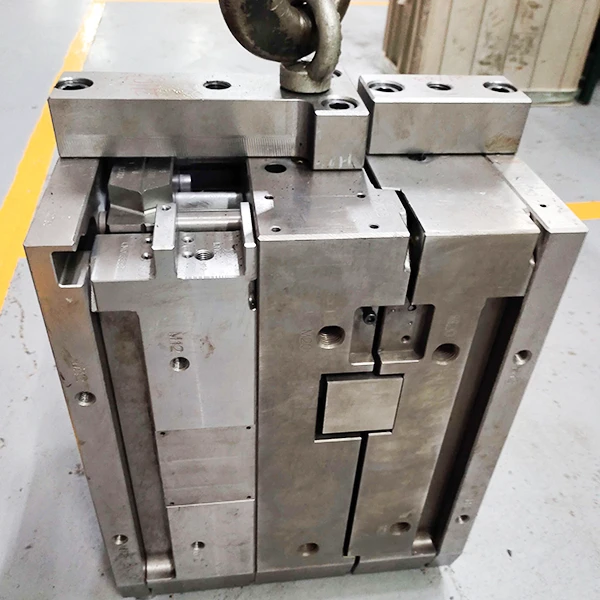
Mold Assembly
FAQ

How to determine if my product is suitable for Overmolding? What key parameters need to be provided in advance?
Injection molds are commonly made from the following materials, chosen based on production requirements, part complexity, and cost considerations:
1. Tool Steel
P20: Pre-hardened steel for medium-volume production (e.g., consumer goods).
H13: Heat-resistant steel for high-temperature plastics (e.g., engineering resins).
S136/S-STAR: Corrosion-resistant steel for optical/medical molds requiring mirror finishes.
2. Aluminum
7075/6061: Used for rapid prototyping or low-volume production due to faster machining and lower cost.
3. Stainless Steel
420/440C: Ideal for high-gloss surfaces or corrosive environments (e.g., PVC molds).
4. Beryllium Copper
Used for inserts in high-heat areas to improve cooling efficiency.
5. Hardened Steel
NAK80/NAK55: For high-precision, long-life molds (e.g., automotive/electronics).
Does your factory offer after-sales services or maintenance for the injection molds you produce?
Yes, reputable mold manufacturers typically provide comprehensive after-sales support and maintenance services to ensure long-term mold performance and customer satisfaction. Here’s what you can expect:
1. Warranty Period
Standard Coverage: Most factories offer a 12–24 month warranty against material or workmanship defects.
Scope: Free repairs or replacements for issues like premature wear, cooling system leaks, or alignment errors.
2. Maintenance Services
Preventive Maintenance:
Regular inspections, cleaning, and lubrication to extend mold lifespan.
Example: Replacing worn ejector pins or polishing cavities to maintain surface finish.
Corrective Repairs:
Fixing damage from misuse (e.g., broken cores, scratched surfaces).
Cost: Often billed hourly or as a flat fee post-warranty.
3. Technical Support
Troubleshooting: Remote guidance for issues like part warping or flash.
Optimization: Adjusting gate sizes or cooling channels to improve cycle times.
4. Spare Parts Supply
Availability: Factories stock critical components (e.g., inserts, sliders, heaters).
Lead Time: Standard parts shipped within 3–5 days; custom parts may take longer.
5. Upgrades & Retrofits
Material Upgrades: Switching to hardened steel for high-abrasion plastics.
Automation Integration: Adding robotics for faster part ejection.
What qualifications and certifications does your injection mold factory have
Logell Mold, as top 10 injection mold factory, is fully accredited with international quality and environmental standards We hold ISO 9001 certification for quality management and ISO 14001 for environmental management We also comply with industryspecific standards and undergo regular thirdparty audits These certifications and qualifications serve as proof of our commitment to delivering precise reliable and highquality injection mold solutions
How does your factory ensure the quality of injection molds meets customer requirements?
We ensure the high quality of every mold through a comprehensive quality control system and industry-leading technologies. Here’s how we do it:
1. Quality Assurance in the Design Phase
Simulation First:
We use software like Moldflow and AutoForm to perform flow analysis and stress simulation, predicting and optimizing issues like filling, cooling, and deformation in advance.
DFM (Design for Manufacturing) Review:
We collaborate with customers to optimize product design, reducing potential defects (e.g., uneven wall thickness, sink marks).
2. Material and Process Control
Material Certification:
We only use ISO-certified mold steels (e.g., ASSAB, Buderus), with material reports (hardness, composition) provided for each batch.
Precision Machining:
We use high-precision equipment like 5-axis CNC (accuracy ±0.005mm) and mirror EDM (surface roughness Ra<0.1μm).
3. Full-Process Inspection
In-Process Inspection:
Key dimensions are checked using a CMM (Coordinate Measuring Machine) after critical steps (tolerance ±0.01mm).
Surface Quality Inspection:
Surface roughness is measured using white light interferometry to ensure Ra≤0.02μm (medical-grade standard).
4. Mold Testing and Validation
Full Parameter Recording:
During trial runs, we monitor injection pressure, temperature, and cycle time, generating reports for customer approval.
Mass Production Simulation:
Molds undergo 5,000 continuous cycles to verify lifespan and stability (no jamming or deformation).
5. Certification and Standardization
System Certification:
We are certified under ISO 9001:2015 and IATF 16949 (automotive industry) quality management systems.
Traceable Documentation:
Each mold comes with complete documentation (design drawings, inspection data, maintenance records).
6. After-Sales Follow-Up
Free Warranty:
We offer a 12-24 month warranty covering material and workmanship defects.
Quick Response:
Remote or on-site technical support is provided within 48 hours, with spare parts available for emergency repairs within 72 hours.
What is the typical turnaround time for a custom injection mold project?
Our mold delivery timeline begins from the moment you confirm the order and we start the mold design, and it extends up to the first trial run phase.
For rapid tooling, we typically complete the process within 7 days, whereas for production molds, the timeline usually spans 30-45 days. Given that production molds require more time to complete, our team will maintain close communication with you to ensure your requirements are met.
Prior to the first official trial run, we conduct internal trial runs. Additionally, we will undertake 2-3 more trial runs to effectively identify and eliminate potential injection molding defects that could arise during production.
What if modifications are needed after injection mold manufacturing has startedHow to ensure accurate color matching for multi-material overmolding products? what color difference standards are used?
We understand that changes may be required even after production begins our team will promptly assess the requested modifications and discuss the impact on cost and schedule then implement controlled adjustments to ensure the final mold maintains its precision and quality while minimizing disruptions to your project timeline